

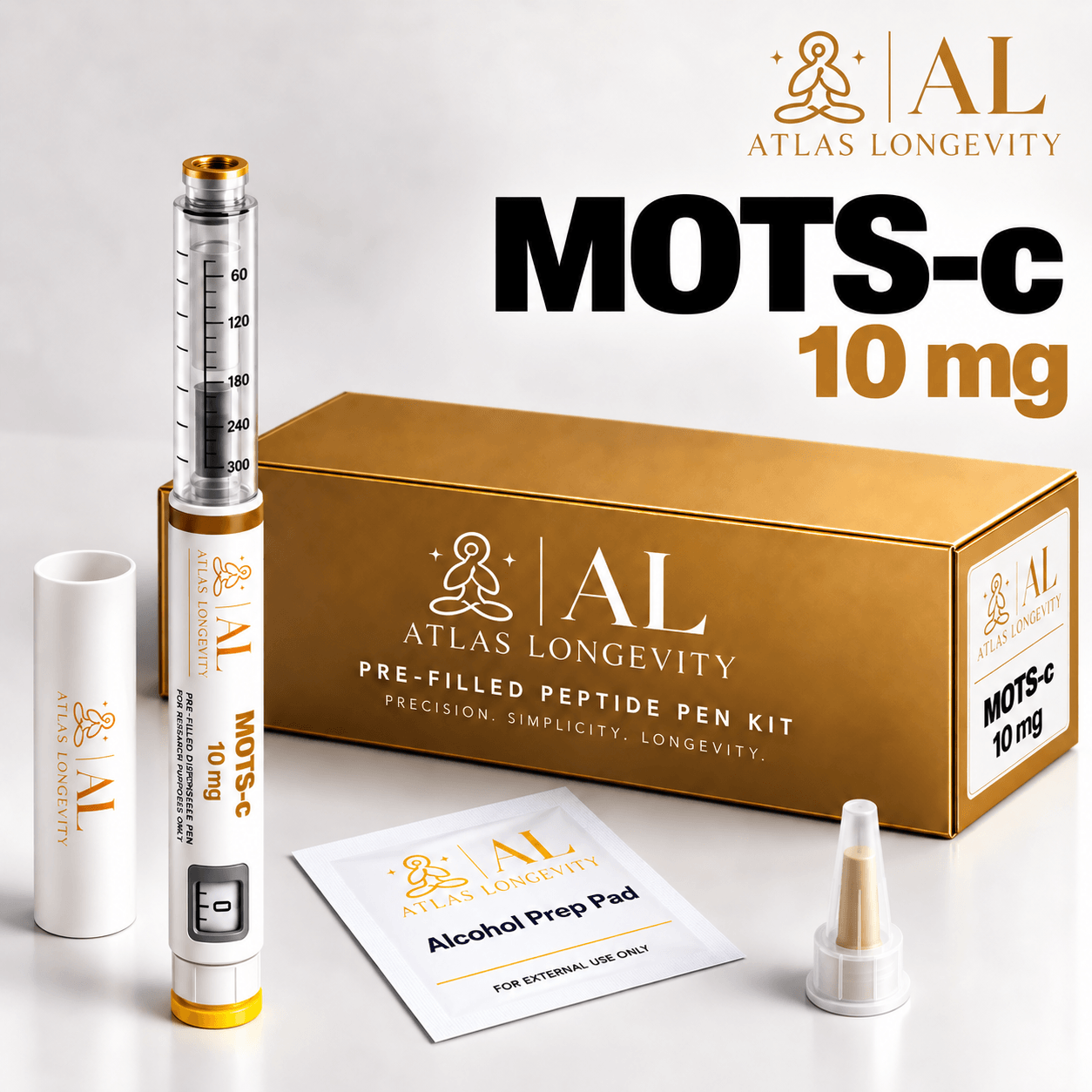

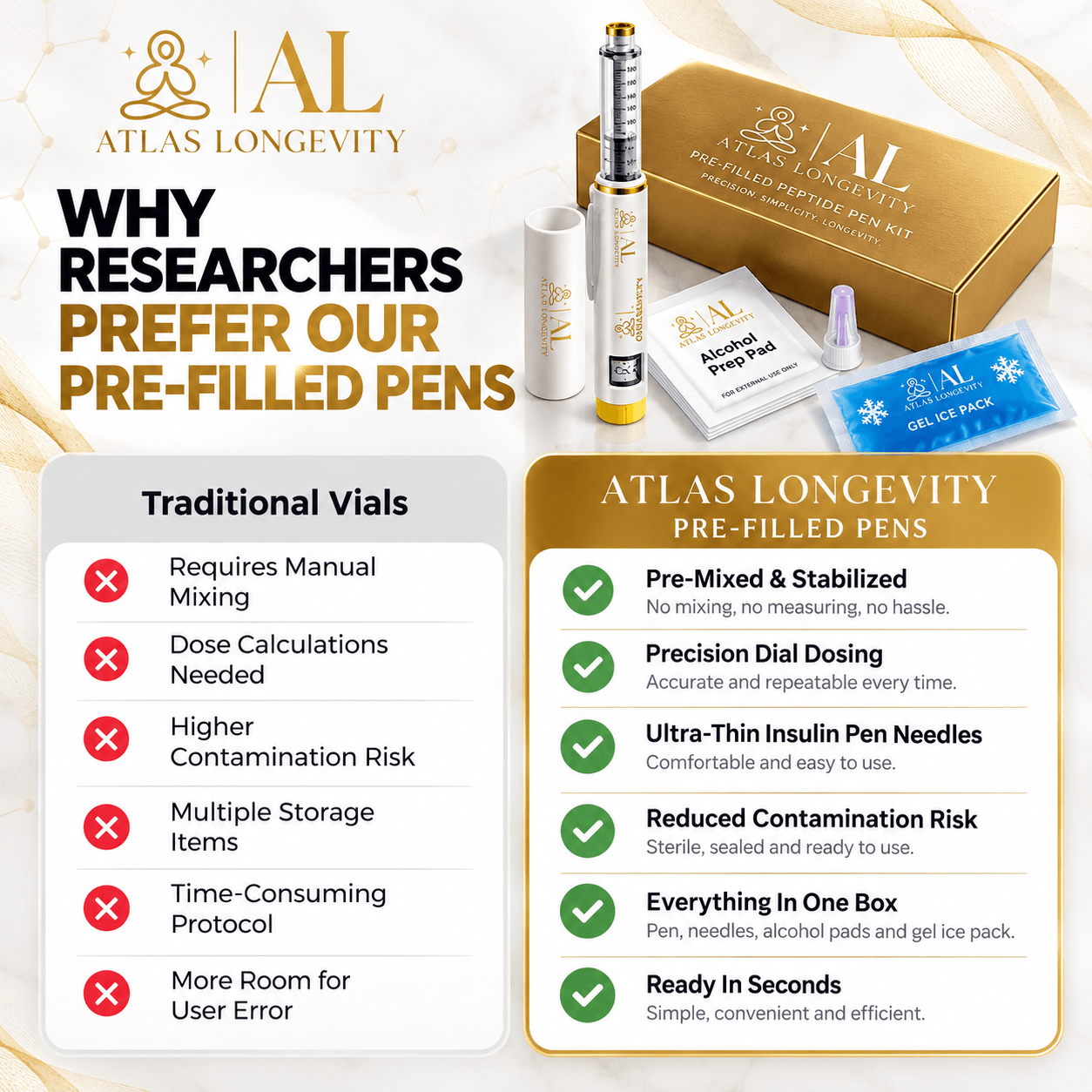



MOTS-C Pen
Price range: Rp1,700,000.00 through Rp3,800,000.00 ~$103.03–$230.30
MOTS-c 10 mg Pen
Product Description
MOTS-c (Mitochondrial Open Reading Frame of the 12S rRNA type-c) is a 16-amino-acid peptide encoded within mitochondrial DNA and studied for its role in cellular energy regulation, glucose metabolism, lipid metabolism, mitochondrial signalling, and metabolic stress responses.
Unlike most peptides encoded by nuclear DNA, MOTS-c originates from a mitochondrial open reading frame. Research has focused on its ability to act as a metabolic signalling molecule, particularly through pathways associated with AMP-activated protein kinase (AMPK) and cellular responses to energetic stress. Pasted text
Experimental research has examined MOTS-c in relation to:
- glucose utilisation;
- insulin signalling;
- mitochondrial function;
- fatty-acid metabolism;
- exercise physiology;
- oxidative stress;
- age-associated metabolic changes.
The Atlas Longevity MOTS-c pen contains 10 mg in a 3 mL pre-mixed cartridge with 300 total units/clicks.
MOTS-c remains under preclinical and early human investigation and should not be presented as an approved treatment for diabetes, obesity, metabolic syndrome, ageing, fatigue, or other medical conditions.
Clinical / Research Status
The supplied material describes MOTS-c as remaining in preclinical and early human investigation, despite research spanning several experimental models. Pasted text
| Evidence Type | Status Based on Supplied Material |
|---|---|
| Human clinical research | Early / limited |
| Human observational research | Yes |
| Animal research | Yes |
| In-vitro research | Yes |
| Regulatory therapeutic approval | Not established |
The source labels some evidence as human RCT-level research, but the supporting references provided are dominated by animal studies and reviews.
For Atlas content, the safer characterization is therefore early human plus substantial preclinical research rather than established clinical efficacy.
Evidence Type
The supplied research material includes:
- observational research in older adults;
- diet-induced obesity animal models;
- exercise physiology research;
- cellular oxidative-stress models;
- high-fat-diet mouse studies;
- cultured myocyte research;
- an early human pilot study referenced by the source;
- aged-animal longevity research. Pasted text
Results from animal or cellular research should not automatically be treated as established human metabolic outcomes.
Mechanism of Action
MOTS-c is studied as a mitochondrial-derived metabolic signalling peptide.
Under metabolic stress, the supplied material describes MOTS-c as interacting with both mitochondrial and nuclear signalling pathways.
Research mechanisms include:
- activation of AMPK;
- interaction with SIRT1;
- increased PGC-1α-related activity;
- regulation of GLUT4-associated glucose transport;
- modulation of fatty-acid metabolism;
- influence on mitochondrial biogenesis;
- changes in oxidative-stress pathways;
- AKT-associated insulin signalling;
- interaction with mTORC1-related energy balance. Pasted text
The source also describes movement of MOTS-c into the nucleus during metabolic stress, where it may influence gene-expression responses associated with cellular adaptation.
These findings provide a mechanistic basis for research into metabolism and mitochondrial biology but do not establish therapeutic effectiveness.
Potential Benefits / Research Areas
AMPK and Cellular Energy Research
One of the central areas of MOTS-c research involves AMPK, an important cellular energy-sensing pathway.
AMPK responds to changes in cellular energy availability and influences:
- glucose uptake;
- fatty-acid oxidation;
- mitochondrial metabolism;
- energy conservation;
- cellular adaptation to stress. Pasted text
MOTS-c is therefore particularly relevant to metabolic-regulation research.
Insulin Signalling and Glucose Utilisation
Experimental studies have investigated whether MOTS-c can influence:
- insulin sensitivity;
- glucose tolerance;
- GLUT4-related glucose transport;
- cellular glucose uptake.
The supplied material reports changes in these pathways in both preclinical and limited human research contexts. Pasted text
This does not establish MOTS-c as an approved treatment for insulin resistance or diabetes.
Lipid Metabolism Research
MOTS-c has also been studied in animal models examining lipid utilisation.
The supplied material describes increased fatty-acid oxidation and reduced fat accumulation in certain high-fat-diet models. Pasted text
Animal body-composition findings should not be translated into guaranteed human fat-loss outcomes.
Mitochondrial Function
Mitochondrial biology is a major focus of MOTS-c research.
Experimental studies investigate:
- mitochondrial respiration;
- ATP-associated energy metabolism;
- mitochondrial biogenesis;
- oxidative stress;
- cellular stress tolerance. Pasted text
Descriptions such as “enhanced mitochondrial efficiency” should be treated as mechanistic research rather than guaranteed clinical benefit.
Metabolic Stress and Ageing Research
MOTS-c has been studied in aged-animal models and other systems involving metabolic stress.
Research areas include:
- age-associated metabolic decline;
- high-fat-diet stress;
- fasting responses;
- mitochondrial resilience;
- metabolic homeostasis. Pasted text
These findings make MOTS-c relevant to ageing research, but they do not establish that supplementation slows or reverses human ageing.
Exercise Physiology Research
Experimental MOTS-c studies have also examined:
- exercise capacity;
- skeletal-muscle metabolism;
- substrate utilisation;
- mitochondrial gene expression;
- endurance-related markers. Pasted text
Preclinical exercise findings should not be presented as proof of enhanced human athletic performance.
Oxidative-Stress Research
The supplied material describes effects involving stress-response pathways such as:
- NRF2;
- FOXO3a;
- reactive oxygen species;
- mitochondrial oxidative stress;
- DNA-protection mechanisms. Pasted text
These pathways are relevant to cellular stress biology but should not be framed as established disease-prevention effects.
Inflammatory-Signalling Research
MOTS-c has also been studied in models involving inflammatory mediators.
The source reports changes involving:
- IL-6;
- TNF-α;
- CRP-related inflammatory pathways. Pasted text
This does not establish MOTS-c as an approved anti-inflammatory treatment.
Neurological and Brain-Energy Research
Emerging research described in the source examines whether mitochondrial peptide signalling may influence neuronal resilience and energy metabolism.
This includes experimental investigation of oxidative stress and mitochondrial function in neural tissue. Pasted text
Claims involving cognitive enhancement or prevention of neurodegenerative disease are not established by the supplied evidence.
Longevity Research
MOTS-c is of particular interest in ageing biology because endogenous mitochondrial signalling changes with age.
The source discusses experimental findings involving:
- age-related metabolic changes;
- mitochondrial function;
- insulin sensitivity;
- physical performance;
- lifespan-related animal studies. Pasted text
Animal lifespan findings should not be represented as evidence that MOTS-c extends human lifespan.
Research Data
| Study / Model | Reported Finding |
|---|---|
| Human observational studies in older adults | Lower endogenous MOTS-c associated with insulin resistance and ageing-related measures |
| Diet-induced obesity animal models | Reduced fat accumulation with improved insulin sensitivity and glucose tolerance |
| Exercise physiology research | Increased endurance-related measures and mitochondrial gene expression |
| Cellular stress models | Increased AMPK activity and reduced mitochondrial ROS |
| High-fat-diet mice | Reduced hepatic lipid accumulation and improved metabolic markers |
| In-vitro myocyte cultures | Increased GLUT4 expression and glucose uptake |
| Human pilot study cited by source | Subcutaneous exposure described as tolerated, with reported changes in fasting glucose and perceived energy |
| Aged-mouse studies | Changes in lifespan-related measurements and skeletal-muscle mitochondrial function |
The evidence spans very different study designs, and the stronger efficacy claims remain predominantly preclinical. Pasted text
Potential Stack / Combination Research
The supplied source discusses experimental combinations involving MOTS-c with:
- NAD+;
- SS-31;
- BPC-157;
- Epitalon. Pasted text
The proposed research rationale involves mitochondrial signalling, redox biology, tissue recovery, and ageing-related pathways.
However, the supplied material does not establish validated human safety, efficacy, compatibility, or dosing for these combinations.
They should therefore be treated as experimental research concepts rather than recommended stacks.
Atlas Longevity MOTS-c Pen Dosage / Click Chart
The Atlas Longevity MOTS-c pen contains:
10 mg MOTS-c
3 mL cartridge volume
300 total clicks
1 click = 0.01 mL
Maximum selectable dial amount = 60 clicks
Pen Specification
| Pen Strength | Volume | Concentration | Amount Per Click |
|---|---|---|---|
| 10 mg | 3 mL | ≈3.333 mg/mL | ≈0.0333 mg / 33.3 mcg |
Concentration Calculation
10 mg ÷ 3 mL = 3.3333 mg/mL
Rounded:
≈3.333 mg/mL
Amount Per Click
10 mg ÷ 300 clicks = 0.033333 mg per click
Therefore:
1 click ≈0.0333 mg
or:
≈33.3 mcg MOTS-c
MOTS-c Click Conversion Chart
| Clicks | Volume | MOTS-c Amount |
|---|---|---|
| 1 | 0.01 mL | ≈0.0333 mg / 33.3 mcg |
| 5 | 0.05 mL | ≈0.1667 mg / 166.7 mcg |
| 10 | 0.10 mL | ≈0.333 mg / 333 mcg |
| 15 | 0.15 mL | 0.500 mg / 500 mcg |
| 20 | 0.20 mL | ≈0.667 mg / 667 mcg |
| 30 | 0.30 mL | 1.000 mg |
| 40 | 0.40 mL | ≈1.333 mg |
| 45 | 0.45 mL | 1.500 mg |
| 50 | 0.50 mL | ≈1.667 mg |
| 60 | 0.60 mL | 2.000 mg |
Useful Conversions
- 15 clicks = 0.50 mg
- 30 clicks = 1 mg
- 45 clicks = 1.50 mg
- 60 clicks = 2 mg
The maximum selectable amount in one dial operation is:
60 clicks = 0.60 mL = 2 mg MOTS-c
This is a mathematical concentration conversion and not a dosing recommendation.
Protocol / Dosage Information
The supplied source describes experimental quantities ranging from approximately 0.5 mg to 5 mg. Pasted text
Its original click calculations were based on a different 10 mg / 2 mL formulation, so they cannot be used for the Atlas Longevity 3 mL pen.
Using the Atlas 10 mg / 3 mL / 300-click formulation:
| Source-Referenced Amount | Atlas Pen Mathematical Equivalent |
|---|---|
| 0.50 mg | 15 clicks |
| 1.00 mg | 30 clicks |
| 2.00 mg | 60 clicks |
| 3.00 mg | 90 total clicks |
| 4.00 mg | 120 total clicks |
| 5.00 mg | 150 total clicks |
Important Pen Limitation
The Atlas pen allows a maximum of 60 clicks per single dial operation.
Therefore:
2 mg = maximum single selectable amount
while:
- 3 mg mathematically equals 90 clicks;
- 4 mg mathematically equals 120 clicks;
- 5 mg mathematically equals 150 clicks.
Amounts above 2 mg cannot be selected as one dial amount.
These higher values are shown only to translate source-referenced research quantities into the Atlas concentration. They are not instructions to divide, repeat, or administer multiple injections.
The frequency, timing, duration, and cycling schedules provided by the source should not be copied into Atlas content as human-use instructions.
Possible Side Effects
The supplied source describes several effects reported or proposed in experimental MOTS-c research.
These include:
- localized redness or swelling;
- temporary fatigue;
- nausea;
- gastrointestinal discomfort;
- headache;
- possible hypersensitivity with prolonged exposure. Pasted text
The source describes many effects as transient, but human safety evidence remains limited.
Important areas of uncertainty include:
- long-term systemic exposure;
- glucose-related metabolic effects;
- endocrine interactions;
- medication interactions;
- cardiovascular effects;
- pregnancy and reproductive exposure;
- chronic metabolic disease;
- combination protocols.
Because MOTS-c directly influences metabolic signalling pathways, absence of adverse findings in small or early studies should not be interpreted as proof of long-term safety.
Product Attributes
| Attribute | Information |
|---|---|
| Compound Name | MOTS-c |
| Full Name | Mitochondrial Open Reading Frame of the 12S rRNA type-c |
| CAS Number | 1415585-49-1 |
| Molecular Formula | C136H224N38O38 |
| Amino Acid Sequence | MRWQEMGYIFYPRKLR |
| Peptide Length | 16 amino acids |
| Molecular Weight | Approximately 2172.6 g/mol |
| Half-Life listed by source | Approximately 2–4 hours |
| Synonyms | MOTSc, MOTS peptide, mitochondrial open reading frame peptide, 12S rRNA-c |
| Compound Type | Mitochondrial-encoded bioactive peptide |
| Research Focus | Mitochondrial biology, metabolism, glucose regulation and cellular energy |
These specifications are reported in the supplied material.
Included in the Box
Each Atlas Longevity product is carefully packed to support secure storage, clean handling, and convenient research use. Inside the package, you’ll find the essential items needed for organized laboratory handling:
- 1× Ready-to-Use Injection Pen
- 10× Ultra-Fine Needles (33G, 4 mm)
- 10× Alcohol Prep Pads
- Protective Foam Insert to help keep the pen secure during transport
- Quick-Reference Instruction Panel inside the packaging
- Tamper-Evident Security Seal for added package protection
Each component is arranged in a clean, protective presentation designed to keep the product secure and easy to access.
Storage
Storage conditions should follow the instructions supplied specifically with the Atlas Longevity MOTS-c formulation.
The reference product provides refrigeration and stability specifications for its own finished formulation. Those conditions should not automatically be transferred to Atlas Longevity without formulation-specific stability evidence.
Follow the temperature requirements, light-protection guidance, handling instructions, and shelf-life information printed on the Atlas Longevity product label or accompanying documentation.
Frequently Asked Questions
What is MOTS-c?
MOTS-c is a 16-amino-acid mitochondria-derived peptide encoded within mitochondrial DNA.
It is studied primarily for its role in cellular-energy sensing, metabolic regulation, glucose utilisation, and mitochondrial stress responses. Pasted text
What does MOTS-c stand for?
MOTS-c stands for:
Mitochondrial Open Reading Frame of the 12S rRNA type-c.
Why is MOTS-c different from many other peptides?
Most peptide-coding genes are located within nuclear DNA.
MOTS-c is unusual because it originates from a mitochondrial genomic region, making it part of a growing class of mitochondrial-derived peptides.
How does MOTS-c work?
MOTS-c is studied for its influence on metabolic signalling pathways including:
- AMPK;
- SIRT1;
- PGC-1α;
- GLUT4-related glucose transport;
- mitochondrial biogenesis;
- AKT-related insulin signalling;
- oxidative-stress pathways. Pasted text
What is AMPK?
AMPK is an important cellular-energy sensor.
When cellular energy availability becomes limited, AMPK can shift metabolism toward pathways that help generate or conserve energy.
MOTS-c research frequently focuses on this pathway.
What is MOTS-c researched for?
Research areas include:
- mitochondrial function;
- glucose metabolism;
- insulin signalling;
- metabolic stress;
- lipid metabolism;
- exercise physiology;
- oxidative stress;
- ageing biology;
- cellular-energy regulation.
Most efficacy evidence remains preclinical.
Has MOTS-c been studied in humans?
Yes, according to the supplied material, there is observational and early human research.
However, MOTS-c remains under early human investigation rather than established clinical use. Pasted text
Does MOTS-c improve insulin sensitivity?
Animal and cellular studies described in the supplied source report changes in insulin sensitivity, GLUT4 expression, glucose uptake, and glucose tolerance. Pasted text
These findings do not establish MOTS-c as an approved treatment for insulin resistance or diabetes.
Does MOTS-c increase endurance?
Experimental studies described by the source report changes in exercise capacity and skeletal-muscle mitochondrial signalling.
However, this does not establish MOTS-c as an approved performance-enhancing treatment.
Does MOTS-c promote fat loss?
Animal models have reported changes in fat accumulation and lipid metabolism.
These preclinical findings should not be interpreted as guaranteed human fat-loss effects.
Does MOTS-c extend lifespan?
The supplied source references aged-mouse research reporting changes in median lifespan and mitochondrial function. Pasted text
Animal lifespan research does not establish that MOTS-c extends human lifespan.
How much MOTS-c is in each Atlas Longevity pen?
Each Atlas Longevity MOTS-c pen contains:
10 mg in 3 mL.
What is the concentration of the MOTS-c pen?
The concentration is:
10 mg ÷ 3 mL = approximately 3.333 mg/mL
How many clicks are in the pen?
Each Atlas Longevity pen contains:
300 total clicks / units
with:
1 click = 0.01 mL
How much MOTS-c is in one click?
Each click contains approximately:
0.0333 mg
or:
33.3 mcg MOTS-c
How many clicks equal 0.5 mg?
15 clicks = 0.50 mg.
How many clicks equal 1 mg?
30 clicks = 1 mg.
How many clicks equal 2 mg?
60 clicks = 2 mg.
These are concentration calculations rather than dosing recommendations.
Can 5 mg be selected in one dial operation?
No.
Mathematically:
5 mg ÷ 0.033333 mg per click ≈150 clicks
The Atlas pen allows a maximum single dial selection of:
60 clicks
Therefore, 5 mg cannot be selected as one dial amount.
This is simply a mechanical and mathematical explanation and does not provide instructions for administering that quantity.
What is the maximum selectable amount on the MOTS-c pen?
The maximum single dial selection is:
60 clicks
which equals:
0.60 mL
and:
2 mg MOTS-c
This describes the mechanical pen range rather than a recommended amount.
How long does a MOTS-c pen last?
The full cartridge contains:
300 clicks and 10 mg MOTS-c.
The number of administrations depends on the number of clicks selected each time.
For cartridge-capacity calculations only:
- 10 clicks at a time = 30 administrations
- 15 clicks at a time = 20 administrations
- 20 clicks at a time = 15 administrations
- 30 clicks at a time = 10 administrations
- 60 clicks at a time = 5 administrations
These examples describe cartridge capacity only.
Does the medication disappear when the dial returns to zero?
No.
After administration, the dial returns to zero while the unused formulation remains inside the cartridge.
The remaining MOTS-c stays in the pen until all 300 units have been used.
Can MOTS-c be combined with NAD+ or SS-31?
The supplied source discusses these combinations as experimental concepts related to mitochondrial and redox research. Pasted text
However, validated human combination safety, efficacy, compatibility, and dosing are not established by the supplied information.
Is there an established human MOTS-c dosage?
The supplied source includes experimental quantities, but MOTS-c remains an investigational peptide with no universally accepted therapeutic dosing standard established by the material provided.
The Atlas click chart therefore represents concentration mathematics only.
How should the Atlas Longevity MOTS-c pen be stored?
Follow the storage instructions provided with the actual Atlas Longevity formulation.
The competitor product’s refrigeration and stability specifications relate to its own finished formulation and should not automatically be transferred to Atlas without product-specific stability evidence.
Related products
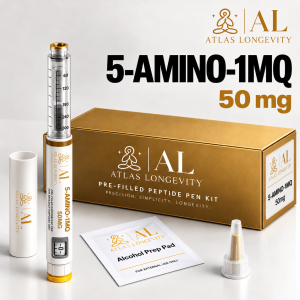

5-AMINO-1MQ
Price range: Rp3,700,000.00 through Rp6,800,000.00 ~$224.24–$412.12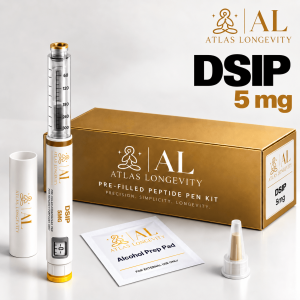
DSIP Pen
Price range: Rp1,300,000.00 through Rp3,100,000.00 ~$78.79–$187.88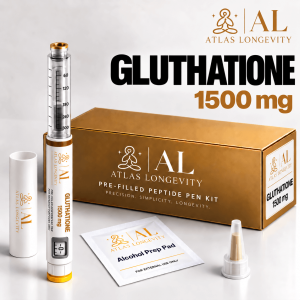
Glutathione 1500mg Pen
Price range: Rp2,500,000.00 through Rp3,100,000.00 ~$151.52–$187.88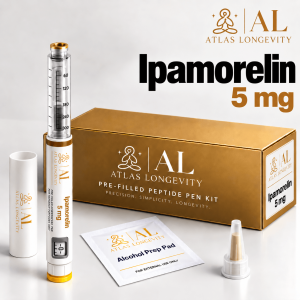
Ipamorelin Pen
Price range: Rp1,200,000.00 through Rp2,600,000.00 ~$72.73–$157.58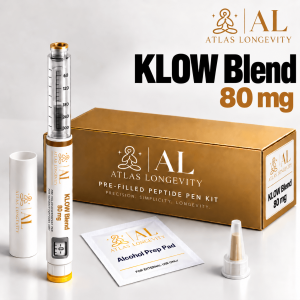
KLOW 80mg Pen (GHK-Cu + KPV + BPC-157 + TB-500)
Price range: Rp3,200,000.00 through Rp3,800,000.00 ~$193.94–$230.30
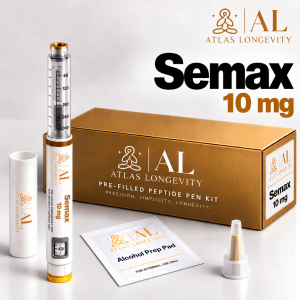
Semax 10mg Pen
Price range: Rp1,600,000.00 through Rp2,200,000.00 ~$96.97–$133.33
 Peptide Vials
 Peptide Nasal Sprays
 Peptide Protocols
 Bundles