

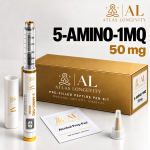

5-AMINO-1MQ
Price range: Rp3,700,000.00 through Rp6,800,000.00 ~$224.24–$412.12
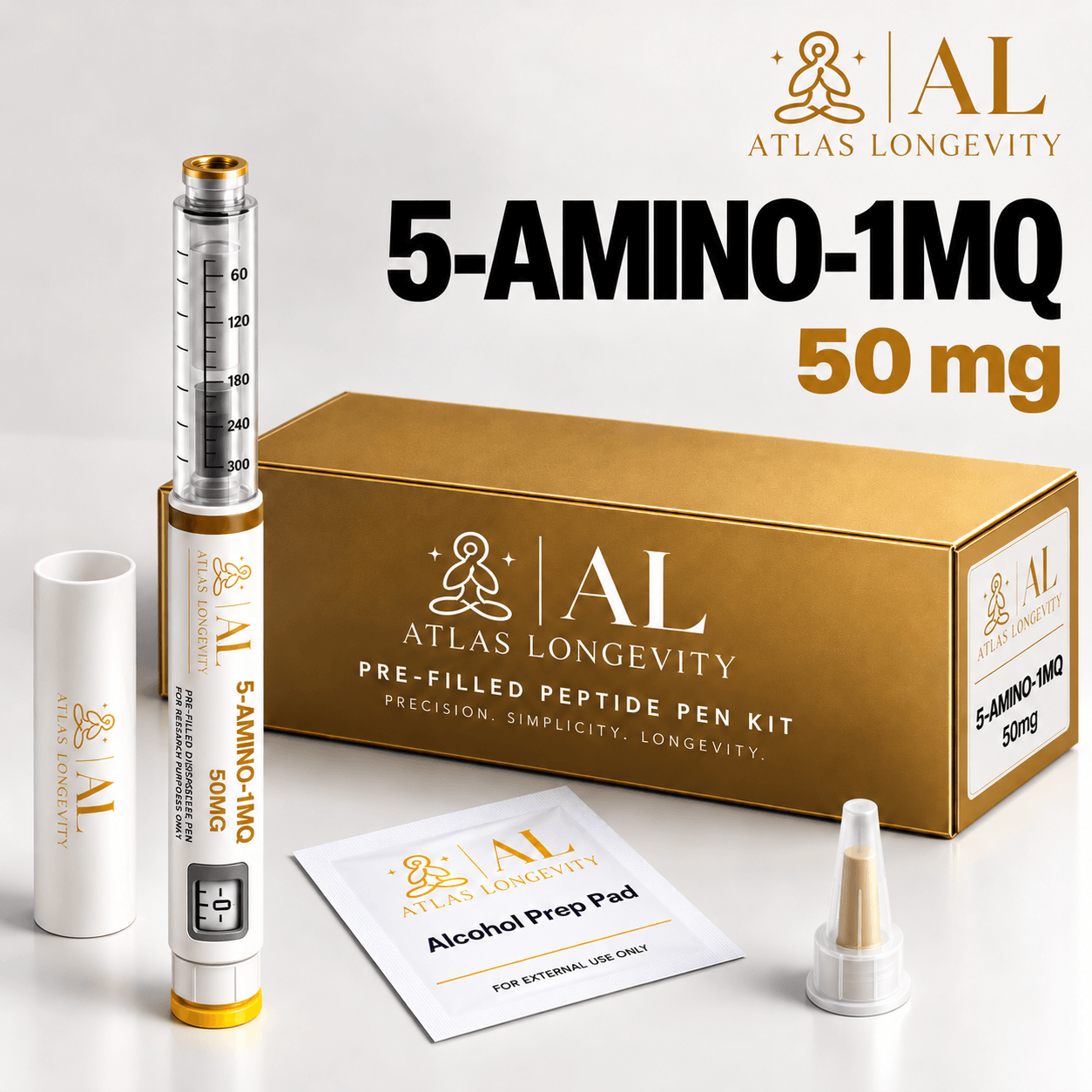
5-Amino-1MQ 50mg Pen is a convenient, ready-to-use compound commonly associated with fat metabolism and body composition support.
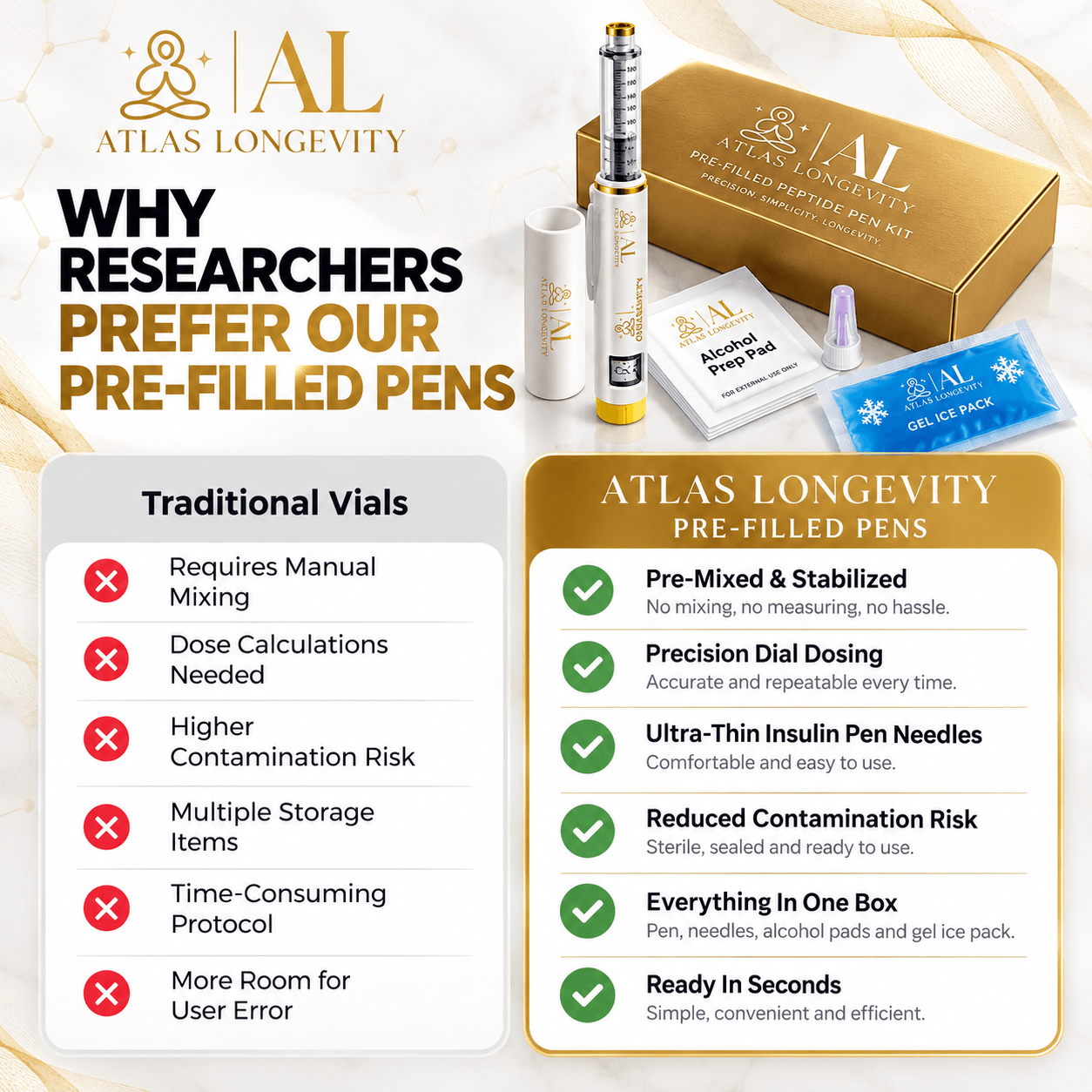
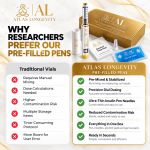
No mixing required — simple, clean and easy to use.
✔ No mixing required
✔ Easy-to-use pen
✔ Fast Bali delivery
5-Amino-1MQ 100 mg Pen
Product Description
5-Amino-1MQ is a synthetic small-molecule compound studied primarily as an inhibitor of nicotinamide N-methyltransferase (NNMT), an enzyme involved in nicotinamide metabolism, cellular methylation pathways, and NAD+ biology.
Interest in 5-Amino-1MQ research is largely driven by the relationship between NNMT activity and metabolic regulation. Preclinical models have investigated whether reducing NNMT activity can influence cellular NAD+ availability, mitochondrial energy metabolism, adipose-tissue biology, glucose regulation, and lipid handling.
The Atlas Longevity 5-Amino-1MQ pen contains 100 mg in a 3 mL pre-mixed cartridge, providing 300 measurable pen units for precise research calculations.
5-Amino-1MQ remains an investigational compound. The supplied reference material does not establish it as an approved treatment for obesity, weight management, metabolic disease, anti-ageing, or any other medical condition.
Clinical / Research Status
5-Amino-1MQ is best described as an experimental research compound.
The supplied material discusses its investigation in metabolic research, particularly around obesity-related biology, insulin sensitivity, mitochondrial function, NAD+ metabolism, and adipose-tissue regulation. However, the evidence classification supplied with the product specifically identifies animal and in-vitro research, rather than completed human randomized controlled trials or established regulatory evidence.
Accordingly, findings from animal or cellular models should not be interpreted as established clinical outcomes in humans.
Current evidence status based on the supplied material:
| Evidence Category | Status |
|---|---|
| Human randomized clinical trials | Not established in supplied evidence |
| Human observational evidence | Not established in supplied evidence |
| Animal research | Yes |
| In-vitro / cellular research | Yes |
| Regulatory therapeutic approval | Not established |
Evidence Type
The most clearly supported evidence supplied for 5-Amino-1MQ comes from:
- Animal metabolic models, including diet-induced obesity and high-fat-diet research.
- In-vitro research, including adipocyte and cellular metabolic models.
- Mechanistic research involving NNMT, NAD+, SAM, mitochondrial activity, lipid metabolism, and glucose regulation.
Although the reference describes emerging interest in human applications, it does not provide enough clinical-trial detail to classify the compound as having established human efficacy.
Mechanism of Action
5-Amino-1MQ is researched for its ability to inhibit NNMT.
NNMT normally methylates nicotinamide, affecting how nicotinamide is processed within cells. Because nicotinamide participates in NAD+ metabolism, inhibiting NNMT may alter the amount of nicotinamide available for NAD+ salvage pathways.
In experimental systems, this has been associated with changes in:
- intracellular NAD+ availability;
- mitochondrial respiration;
- ATP-related energy metabolism;
- lipid oxidation and storage;
- adipocyte metabolism;
- glucose regulation;
- methylation pathways involving S-adenosylmethionine, or SAM.
The scientific interest is therefore not simply in “fat burning.” Researchers are studying NNMT as part of a broader metabolic network connecting energy production, nutrient handling, mitochondrial function, and cellular methylation.
These mechanisms remain an area of active experimental research.
Potential Benefits / Research Areas
Adipose-Tissue Metabolism
NNMT is expressed in metabolically active tissues, including white adipose tissue.
In diet-induced obesity models, NNMT inhibition has been associated with reductions in adipose accumulation and changes in pathways involved in lipid storage and energy expenditure. These findings make 5-Amino-1MQ relevant to research investigating how adipocytes regulate energy balance.
These findings are preclinical and should not be interpreted as proof of weight-loss efficacy in humans.
NAD+ Metabolism
One of the central areas of 5-Amino-1MQ research involves the relationship between NNMT inhibition and cellular NAD+ metabolism.
Experimental work described in the supplied material suggests that suppressing NNMT activity may reduce nicotinamide methylation and increase nicotinamide availability for NAD+-related pathways.
Because NAD+ participates in cellular redox reactions and energy metabolism, this mechanism has generated interest in mitochondrial and metabolic research.
Mitochondrial Function and Cellular Energy
Preclinical research has also examined changes in mitochondrial respiration and ATP-related energy production following NNMT inhibition.
The research interest centres on whether altered NAD+ availability and cellular redox balance can influence mitochondrial efficiency under metabolic stress.
Claims of increased human energy, endurance, or anti-ageing effects cannot be established from these preclinical findings alone.
Glucose Metabolism
Animal studies described in the supplied source report changes in fasting glucose, insulin levels, glucose tolerance, and insulin sensitivity following experimental NNMT inhibition.
This makes 5-Amino-1MQ relevant to metabolic research involving glucose regulation, but these findings do not establish it as a treatment for diabetes or insulin resistance.
Lipid Metabolism
5-Amino-1MQ has also been investigated for possible effects on lipid storage and oxidation.
Animal and cellular models described in the source reported reduced lipid accumulation, changes in hepatic triglycerides, and increased markers associated with fatty-acid utilization.
Additional human research would be needed before these findings could be translated into clinical claims.
Lean-Tissue and Body-Composition Research
The supplied reference describes animal studies in which reductions in adipose tissue occurred without a proportional loss of lean mass.
This is an interesting metabolic research finding, but it does not establish that 5-Amino-1MQ preserves muscle mass in humans.
Metabolic Inflammation
Obesity-related experimental models have also explored how NNMT inhibition may influence inflammatory signalling within adipose tissue.
The supplied reference reports changes involving inflammatory markers including TNF-α and IL-6.
These observations remain preclinical.
SAM, Methylation and Longevity Research
NNMT activity is connected not only with nicotinamide metabolism but also with S-adenosylmethionine (SAM) utilization.
For this reason, inhibition of NNMT is being studied in relation to cellular methylation balance and metabolic gene regulation. The supplied material links this pathway with broader longevity and cellular-ageing research.
This should be regarded as a mechanistic research area rather than evidence that 5-Amino-1MQ extends human lifespan.
Research Data
The following findings are reported in the supplied research material and primarily represent animal or cellular evidence.
| Study / Model | Reported Finding |
|---|---|
| Diet-induced obesity mouse model | Reported reduction in body weight and fat mass, with relative preservation/increase of lean mass despite no caloric restriction |
| NNMT inhibition / knockout comparison | Increased NAD+-related signalling, SIRT1 activity and mitochondrial respiration were reported |
| In-vitro adipocyte model | Reduced lipid accumulation, increased AMPK activation and changes in inflammatory signalling |
| High-fat-diet mouse model | Lower fasting glucose and insulin measurements and improved insulin-tolerance parameters were reported |
| Experimental liver-steatosis models | Reduced hepatic triglyceride/lipid accumulation and increased mitochondrial-biogenesis markers |
| Neuronal / neuroinflammation research model | Reduced oxidative-stress markers and changes in mitochondrial membrane potential were reported |
The supplied reference reports a particularly large body-weight change in one diet-induced obesity mouse model. Because this is an animal result, it should not be extrapolated into an expected percentage of human weight loss.
Potential Combination Research
5-Amino-1MQ and NAD+ Pathway Research
The supplied material discusses experimental interest in combining NNMT inhibition with approaches intended to increase NAD+ availability.
The proposed research rationale is that the two approaches act at different points within related metabolic pathways: one may influence NAD+ precursor utilization through NNMT inhibition, while the other aims to increase the available NAD+ pool.
The reference also reports experimental combination research involving NAD+ and 5-Amino-1MQ.
However, the supplied information does not establish the clinical safety, efficacy, compatibility, or optimal dosing of such combinations in humans.
Other compound combinations suggested by the original source have not been carried into this Atlas Longevity page because sufficient supporting combination evidence was not supplied.
Atlas Longevity 5-Amino-1MQ Pen Dosage / Click Chart
Pen Specification
The Atlas Longevity 5-Amino-1MQ 100 mg injection pen contains 100 mg of compound across a total cartridge volume of 3 mL.
| Pen Strength | Volume | Concentration | Amount Per Click |
|---|---|---|---|
| 100 mg | 3 mL | 33.33 mg/mL | ≈0.333 mg |
Calculation
Concentration
100 mg ÷ 3 mL = 33.333 mg/mL
Rounded:
33.33 mg/mL
Amount per click
100 mg ÷ 300 clicks = 0.33333 mg per click
Rounded:
1 click ≈ 0.333 mg
Each click represents:
0.01 mL
The Atlas pen dial allows selection from 1 to 60 units per dial, meaning the largest selectable volume in one dial operation is:
60 clicks = 0.60 mL = 20 mg
This is a mathematical pen conversion and not a recommended research or human dose.
Click-to-Amount Conversion
| Clicks | Volume | 5-Amino-1MQ Amount |
|---|---|---|
| 1 | 0.01 mL | ≈0.333 mg |
| 3 | 0.03 mL | 1.00 mg |
| 5 | 0.05 mL | ≈1.667 mg |
| 6 | 0.06 mL | 2.00 mg |
| 9 | 0.09 mL | 3.00 mg |
| 10 | 0.10 mL | ≈3.333 mg |
| 15 | 0.15 mL | 5.00 mg |
| 20 | 0.20 mL | ≈6.667 mg |
| 30 | 0.30 mL | 10.00 mg |
| 40 | 0.40 mL | ≈13.333 mg |
| 50 | 0.50 mL | ≈16.667 mg |
| 60 | 0.60 mL | 20.00 mg |
Quick Conversion Examples
- 1 mg = 3 clicks
- 2 mg = 6 clicks
- 3 mg = 9 clicks
- 5 mg = 15 clicks
- 10 mg = 30 clicks
- 20 mg = 60 clicks
The complete cartridge contains 300 clicks / 3 mL / 100 mg total.
The medication remains within the cartridge as the pen is used. After each administration, the pen dial returns to zero; this does not mean that the remaining cartridge contents have been discarded.
Protocol / Dosage Information
Human Dosing Has Not Been Established From the Supplied Evidence
The original reference provides several experimental dosing schedules ranging from low-milligram amounts to 20 mg.
However, it does not provide adequate human clinical-trial evidence demonstrating that these schedules are validated therapeutic protocols.
For that reason, Atlas Longevity does not present these source protocols as established human dosing guidance.
The click chart above is provided to explain the concentration and mathematical operation of the Atlas Longevity 5-Amino-1MQ pen. A click conversion should not be interpreted as evidence that a particular amount is clinically appropriate, safe, or effective.
Possible Side Effects and Safety Data
A reliable human adverse-effect profile cannot be established from the supplied evidence.
The original material describes 5-Amino-1MQ as generally tolerated in preclinical models and lists possible effects including fatigue, nausea, digestive discomfort, headache, and local injection-site irritation. However, it does not provide sufficient human clinical-study information, incidence rates, study populations, or controlled safety data to establish these as documented human adverse reactions.
These statements therefore should not be interpreted as a complete safety profile.
Long-term human safety, contraindications, medication interactions, reproductive effects, and the safety of combination protocols are not established by the supplied research material.
Product Attributes
The following identifiers are reported in the supplied reference. Because different salt forms are mentioned, the exact chemical form used in the finished Atlas Longevity formulation should be confirmed against product-specific analytical documentation before publication of salt-dependent specifications.
| Attribute | Information |
|---|---|
| Compound | 5-Amino-1MQ |
| Compound class | Synthetic small molecule |
| Research target | Nicotinamide N-methyltransferase (NNMT) |
| CAS Number | 1034043-18-3 |
| Molecular formula listed by source | C10H11N2+ free-base form; iodide and chloride forms also listed |
| Molecular weight listed by source | 215.26 g/mol |
| PubChem CID listed by source | 950107 free-base; 66522933 iodide form |
| Half-life listed by source | 3.8–6.9 hours |
| Sequence | Not applicable — small molecule |
| Synonyms | 5-Amino-1-methylquinolinium, 5A1MQ, Amino-1MQ, NNMT inhibitor |
| Research focus | NNMT biology, NAD+ metabolism, adipose metabolism, mitochondrial function, glucose/lipid metabolism and metabolic longevity research |
The supplied reference provides these identifiers but does not provide enough analytical documentation to independently resolve differences between salt forms.
Included in the Box
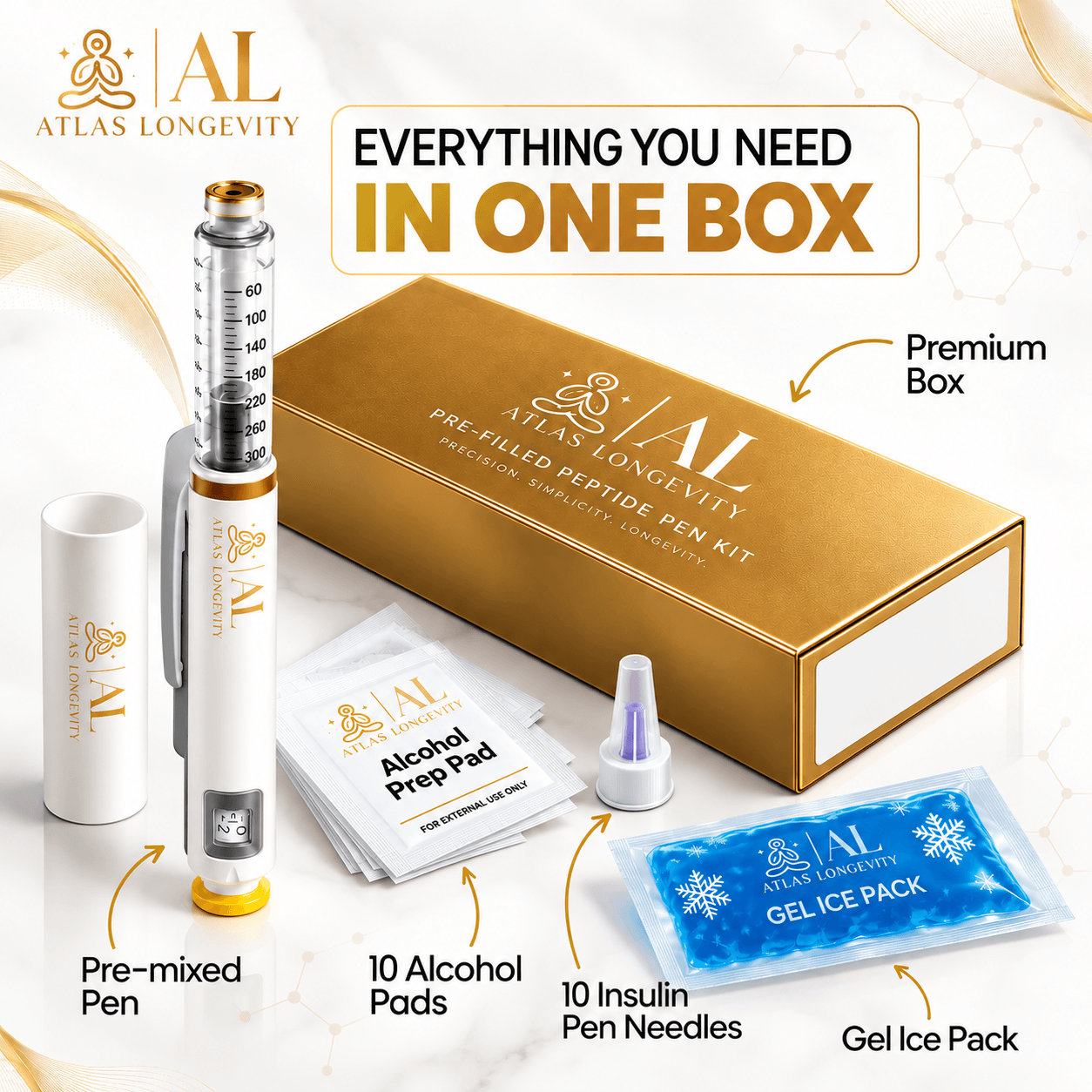
Each Atlas Longevity product is carefully packed to support secure storage, clean handling, and convenient research use. Inside the package, you’ll find the essential items needed for organized laboratory handling:
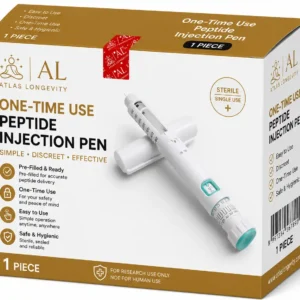
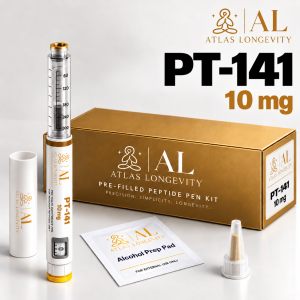
- 1× Ready-to-Use Injection Pen
- 10× Ultra-Fine Needles (33G, 4 mm)
- 10× Alcohol Prep Pads
- Protective Foam Insert to help keep the pen secure during transport
- Quick-Reference Instruction Panel inside the packaging
- Tamper-Evident Security Seal for added package protection
Each component is arranged in a clean, protective presentation designed to keep the product secure and easy to access.
Storage
Specific storage conditions should be based on stability data for the actual Atlas Longevity pre-mixed formulation.
The source product recommends refrigeration and provides a post-mixing stability period, but those instructions relate to the source company’s own formulation and packaging.
Because formulation-specific Atlas stability information has not been supplied, a temperature range or shelf-life should not be copied automatically onto the Atlas Longevity product page.
Follow the storage instructions shown on the final Atlas Longevity product label and accompanying product documentation.
Frequently Asked Questions
What is 5-Amino-1MQ?
5-Amino-1MQ is a synthetic small molecule being researched primarily as an inhibitor of nicotinamide N-methyltransferase, or NNMT.
Researchers are investigating this pathway because NNMT interacts with nicotinamide, NAD+ metabolism, cellular methylation, adipose biology, and mitochondrial energy metabolism.
Is 5-Amino-1MQ a peptide?
No. Despite sometimes being discussed alongside research peptides, the supplied chemical information classifies 5-Amino-1MQ as a synthetic small molecule, not an amino-acid peptide sequence.
How does 5-Amino-1MQ work?
5-Amino-1MQ inhibits NNMT.
In experimental systems, reducing NNMT activity can alter nicotinamide metabolism and may increase the availability of nicotinamide for NAD+-related cellular pathways.
Researchers are studying the downstream effects of this mechanism on mitochondrial function, lipid metabolism, glucose regulation, and cellular energy production.
What is 5-Amino-1MQ being researched for?
Current research areas described in the supplied material include:
- NNMT inhibition;
- NAD+ metabolism;
- adipose-tissue metabolism;
- mitochondrial function;
- cellular energy metabolism;
- glucose regulation;
- lipid metabolism;
- metabolic inflammation;
- methylation and SAM biology.
Most of the evidence presented in the supplied material is derived from animal or in-vitro research rather than established human clinical trials.
How much 5-Amino-1MQ is in each Atlas Longevity pen?
Each Atlas Longevity pen contains:
100 mg of 5-Amino-1MQ in 3 mL total volume.
This produces a concentration of approximately:
33.33 mg/mL
How many clicks are in an Atlas Longevity 5-Amino-1MQ pen?
The complete pen contains:
300 clicks / units
Each click represents:
0.01 mL
How much 5-Amino-1MQ is in one click?
A 100 mg pen contains 300 clicks.
Therefore:
100 mg ÷ 300 = approximately 0.333 mg per click
So:
1 click ≈ 0.333 mg of 5-Amino-1MQ.
How many clicks equal 5 mg?
Each click contains approximately 0.333 mg.
Therefore:
5 mg ÷ 0.333 ≈ 15 clicks
So:
15 clicks = approximately 5 mg.
This is a concentration conversion, not a dosing recommendation.
How many clicks equal 10 mg?
30 clicks = 0.30 mL = 10 mg.
What is the maximum amount that can be selected on the pen dial?
The Atlas Longevity pen can be dialled from 1 to 60 units at one time.
For this 100 mg formulation:
60 clicks = 0.60 mL = 20 mg
This reflects the mechanical range of the pen rather than a recommended dose.
Does the pen become empty when the dial returns to zero?
No.
After administration, the dial returns to zero, while the remaining product stays inside the cartridge.
The pen contains 300 total units, which can continue to be selected until the cartridge contents have been used.
How long does one 5-Amino-1MQ pen last?
That depends entirely on the number of units used each time.
Mathematically:
300 total clicks ÷ clicks used per administration = number of administrations available
For example:
- 15 clicks at a time = 20 administrations
- 30 clicks at a time = 10 administrations
- 60 clicks at a time = 5 administrations
These examples describe pen capacity only and do not represent recommended protocols.
Is there an established human dosage for 5-Amino-1MQ?
Not from the evidence supplied for this page.
The source provides experimental protocol suggestions, but it does not provide sufficient controlled human clinical evidence to establish them as validated medical dosing standards.
Has 5-Amino-1MQ been proven to cause weight loss in humans?
The supplied material does not establish that conclusion.
Animal models have reported reductions in body weight and adipose tissue following NNMT inhibition, but animal results cannot be assumed to produce equivalent outcomes in humans.
Can 5-Amino-1MQ be researched alongside NAD+?
The supplied material describes a mechanistic rationale and experimental interest in studying NNMT inhibition together with NAD+-augmentation approaches.
However, this does not establish the safety or efficacy of combining them in humans.
How should the Atlas Longevity 5-Amino-1MQ pen be stored?
Atlas-specific formulation stability information was not provided for this rewrite.
Storage should therefore follow the instructions supplied with the Atlas Longevity product itself rather than automatically adopting temperature or stability claims from another manufacturer’s formulation.
Research Notice
5-Amino-1MQ is an investigational research compound. The supplied evidence does not establish approved therapeutic use or clinically validated human dosing.
Preclinical and in-vitro findings should not be interpreted as guaranteed human outcomes.
- Supports fat metabolism
- Supports body composition
- Performance-focused compound
- Easy-to-use pen format
- No mixing required
We offer fast and discreet delivery across Bali.
Around Canggu
100,000 IDR
Delivery within 1–5 hours of order
Other Areas of Bali
200,000 IDR
Delivery within 1–5 hours of order
✔ Discreet packaging
✔ Same-day delivery available
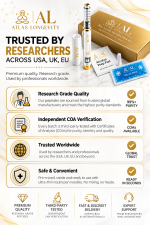
- Trusted suppliers
- Quality-controlled products
- Fast and discreet delivery
- Personalised guidance available
Related products
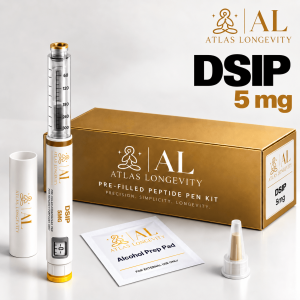
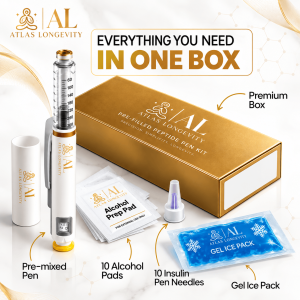
DSIP Pen
Price range: Rp1,100,000.00 through Rp2,600,000.00 ~$66.67–$157.58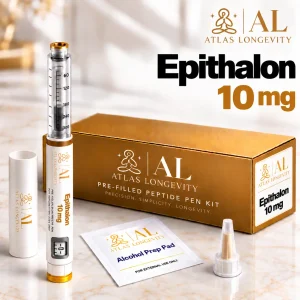
Epithalon Peptide Pen
Price range: Rp1,800,000.00 through Rp4,050,000.00 ~$109.09–$245.45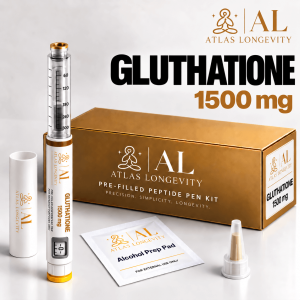
Glutathione 1500mg Pen
Price range: Rp2,500,000.00 through Rp3,100,000.00 ~$151.52–$187.88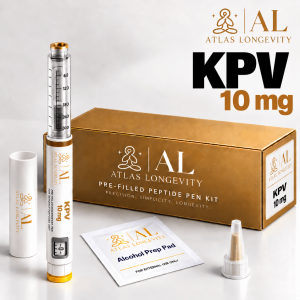
KPV 10mg Pen
Price range: Rp1,500,000.00 through Rp2,100,000.00 ~$90.91–$127.27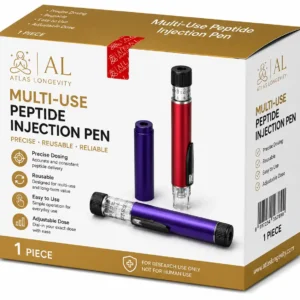
 Peptide Vials
 Peptide Nasal Sprays
 Peptide Protocols
 Bundles