

BPC-157 Pen
Price range: Rp1,200,000.00 through Rp3,500,000.00 ~$72.73–$212.12
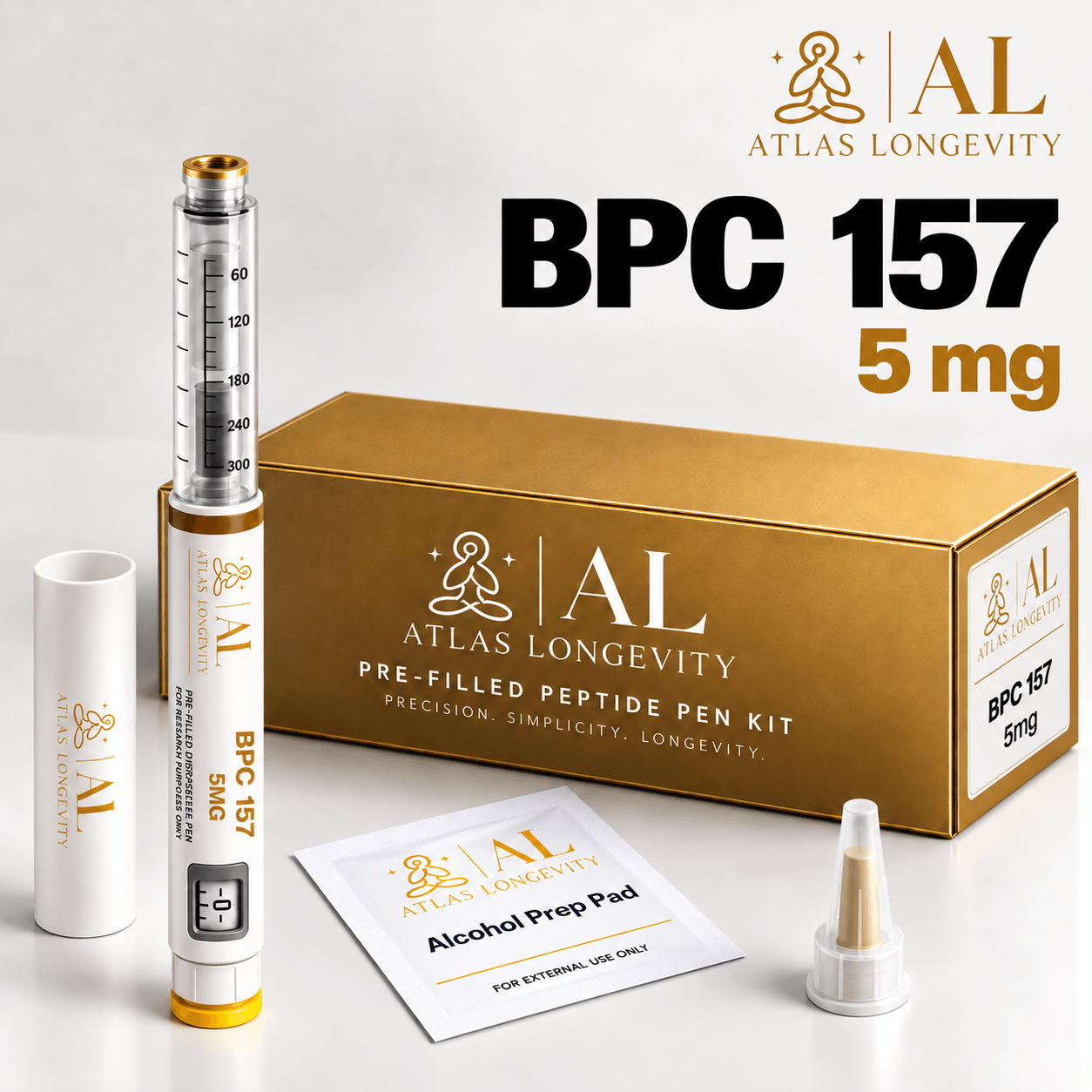
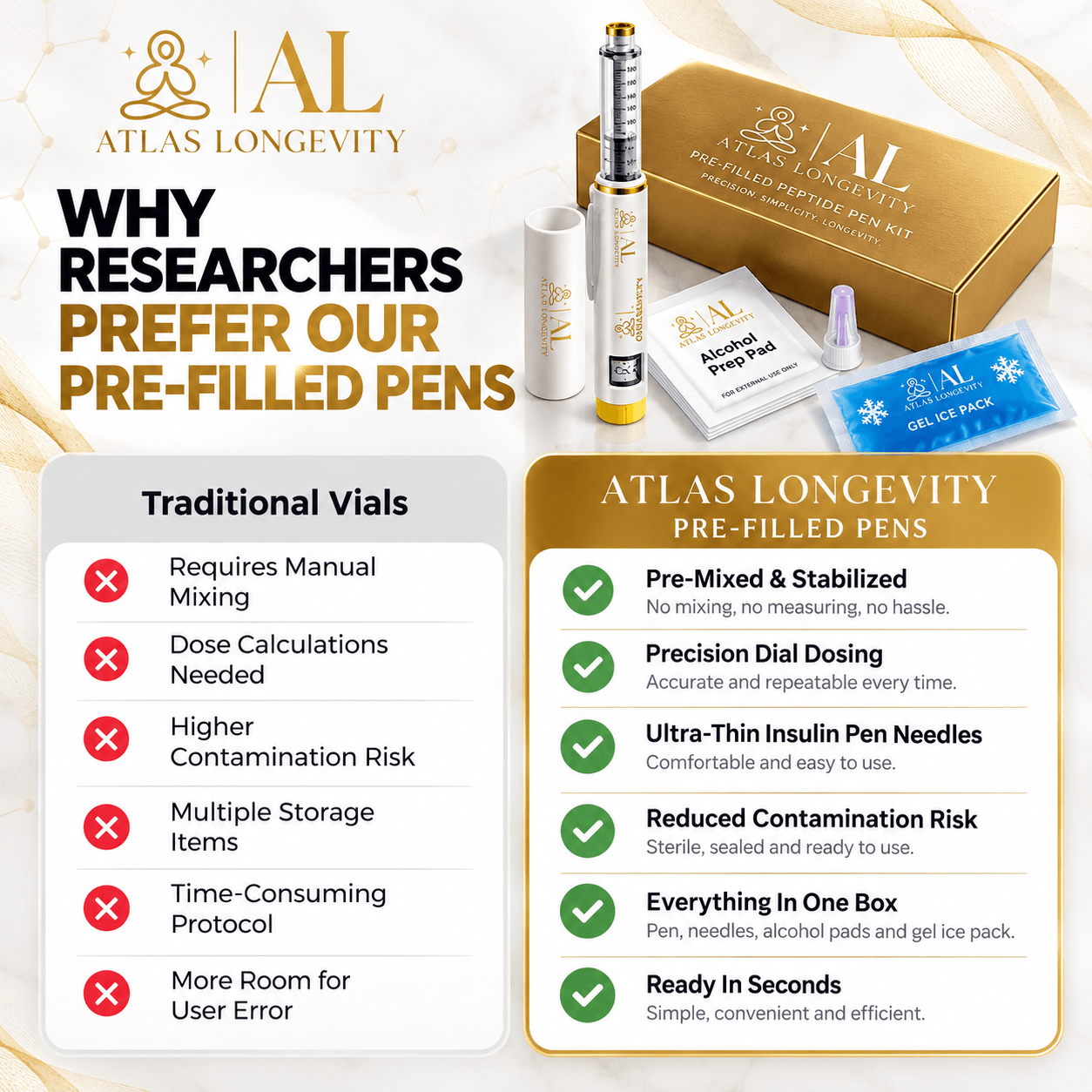
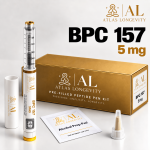
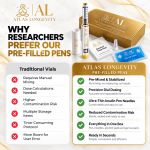
BPC-157 5mg Pen is a convenient pre-mixed peptide pen commonly used within recovery, mobility, wellness, and active lifestyle-focused protocols. Ready to use with no mixing required.
💉 Pre-Mixed Pen
⚡ No Mixing Required
🏃 Recovery Focused
💪 Active Lifestyle Support
🚚 Same-Day Bali Delivery
👨⚕️ Expert Guidance Included
BPC-157 Pen
Product Description
BPC-157 is a synthetic 15-amino-acid peptide studied primarily for its potential role in tissue repair, vascular signalling, gastrointestinal protection, and inflammatory regulation.
Much of the scientific interest surrounding BPC-157 comes from preclinical research investigating its effects on tendons, ligaments, skeletal muscle, gastrointestinal tissue, nerves, blood vessels, bone, and other connective tissues.
Experimental models have associated BPC-157 with processes including collagen formation, fibroblast activity, angiogenesis, nitric-oxide signalling, and regulation of inflammatory pathways. Pasted text
Atlas Longevity BPC-157 pens use the standard 3 mL / 300-click pen system, allowing straightforward concentration and research calculations.
BPC-157 remains an investigational compound and should not be presented as an approved treatment for injury, gastrointestinal disease, inflammation, pain, or other medical conditions.
Clinical / Research Status
BPC-157 has been investigated extensively in animal and laboratory models, with substantially less human evidence available.
Based on the supplied material:
| Evidence Type | Status |
|---|---|
| Human randomized controlled trials | Not established |
| Human observational evidence | Limited |
| Animal research | Yes |
| In-vitro research | Yes |
| Regulatory therapeutic approval | No |
The supplied source specifically characterizes BPC-157 as an experimental research peptide rather than an approved medical therapy. Pasted text
Most of the stronger claims surrounding tissue repair, gastrointestinal protection, nerve regeneration, and musculoskeletal recovery come from animal or cellular studies, so they should not be presented as established human benefits.
Evidence Type
Research described in the supplied material includes:
- animal tendon and ligament injury models;
- gastrointestinal ulcer models;
- skeletal-muscle injury models;
- peripheral nerve research;
- vascular injury models;
- liver-injury research;
- joint and tendon-to-bone repair studies;
- cellular and in-vitro investigations;
- limited observational human information. Pasted text
The quality and clinical relevance of evidence varies considerably between these areas.
Mechanism of Action
BPC-157 appears to influence several biological pathways involved in repair rather than operating through a single established mechanism.
Experimental research has investigated its effects on:
- angiogenesis, or formation of new blood vessels;
- VEGF-related signalling;
- the FAK-paxillin pathway, involved in cellular migration and tissue organization;
- fibroblast activity;
- collagen formation and organization;
- nitric-oxide regulation;
- inflammatory signalling;
- endothelial and microvascular function. Pasted text
Together, these pathways may help explain why BPC-157 has attracted attention in tissue-repair and regenerative research.
However, biological mechanisms identified in laboratory or animal models do not establish therapeutic effectiveness in humans.
Potential Benefits / Research Areas
Tendon, Ligament and Connective-Tissue Research
BPC-157 is frequently investigated in experimental models involving injured tendons, ligaments, and connective tissues.
Animal research described in the supplied material reports changes in fibroblast activity, collagen organization, tendon reattachment, and tissue strength following injury. Pasted text
These findings support continued regenerative research but should not be interpreted as proof that BPC-157 accelerates human injury recovery.
Angiogenesis and Microcirculation
Another major research area involves the formation and stabilization of blood vessels around damaged tissue.
Experimental findings associate BPC-157 with VEGF-related signalling and FAK-paxillin activity, pathways involved in angiogenesis and cellular movement.
This has generated interest in whether the peptide can influence the vascular environment surrounding healing tissues.
Gastrointestinal Research
BPC-157 has been widely investigated in animal models involving:
- gastric ulcers;
- intestinal inflammation;
- mucosal injury;
- epithelial damage;
- experimental colitis.
Preclinical research has reported changes in mucosal recovery, epithelial integrity, nitric-oxide signalling, and inflammatory activity. Pasted text
These animal findings do not establish BPC-157 as a proven human treatment for gastrointestinal disease.
Inflammation and Oxidative-Stress Research
BPC-157 research also includes pathways associated with inflammation and oxidative stress.
The supplied material describes experimental changes involving cytokines such as TNF-α and IL-6, nitric-oxide regulation, antioxidant activity, and endothelial function. Pasted text
These findings remain primarily preclinical.
Muscle Repair Research
Animal models of muscle trauma have investigated whether BPC-157 can influence regeneration through vascularisation and repair-related cellular signalling.
Reported findings include increased angiogenesis and changes in muscle-fibre regeneration following experimental injury. Pasted text
Human recovery outcomes have not been established by the supplied evidence.
Nerve and Neurological Research
Preclinical studies have also explored BPC-157 in peripheral nerve and neurological injury models.
Animal findings described in the supplied material include changes in axonal growth, nerve recovery, neuromuscular function, and neurotransmitter-related pathways. Pasted text
This area remains experimental.
Bone and Joint Research
BPC-157 has been investigated in models involving cartilage, bone, joint structures, and tendon-to-bone healing.
Potential mechanisms under investigation include effects on fibroblasts, osteoblasts, chondrocytes, angiogenesis, and growth-factor signalling. Pasted text
Clinical effectiveness for human orthopedic conditions has not been established.
Wound and Skin Repair
Experimental wound models have reported changes in epithelialisation, collagen production, angiogenesis, and wound closure.
These findings have created interest in BPC-157 for broader tissue-regeneration research, although validated human outcomes remain limited. Pasted text
Research Data
| Study / Model | Reported Finding |
|---|---|
| Rat Achilles tendon transection | Accelerated tendon reattachment and increased collagen-fibre density |
| Rat gastrointestinal ulcer models | Restoration of mucosal and epithelial integrity |
| Experimental muscle injury | Increased angiogenesis and muscle-fibre regeneration |
| Peripheral nerve crush model | Improved axonal growth and functional recovery |
| Experimental liver-toxicity models | Reduced markers of cellular injury and oxidative stress |
| Vascular injury research | Changes consistent with angiogenic repair and vascular normalization |
| Joint and ligament models | Increased fibroblast activity and tendon-to-bone repair |
These reported findings come primarily from animal research and should not be translated directly into expected human outcomes. Pasted text
Potential Stack / Combination Research
The supplied source discusses experimental combination research involving BPC-157 with several other compounds, including TB-500, GHK-Cu, SS-31, and glutathione. Pasted text
Of these, BPC-157 and TB-500 are discussed around complementary tissue-repair mechanisms involving angiogenesis, fibroblast activity, cellular migration, and cytoskeletal pathways.
However, the supplied material does not establish validated human safety, dosing, compatibility, or efficacy for these combinations.
For that reason, they should be considered research concepts rather than recommended protocols.
Atlas Longevity BPC-157 Pen Dosage / Click Chart
Atlas Longevity BPC-157 pens use a 3 mL cartridge containing 300 total units/clicks.
Each click represents exactly:
0.01 mL
BPC-157 5 mg Pen
| Pen Strength | Volume | Concentration | Amount Per Click |
|---|---|---|---|
| 5 mg | 3 mL | ≈1.667 mg/mL | ≈0.0167 mg / 16.7 mcg |
Calculation
5 mg ÷ 3 mL = 1.6667 mg/mL
5 mg ÷ 300 clicks = 0.016667 mg per click
Therefore:
1 click ≈ 0.0167 mg = 16.7 mcg
5 mg Pen Conversion Table
| Clicks | Volume | BPC-157 Amount |
|---|---|---|
| 1 | 0.01 mL | ≈0.0167 mg / 16.7 mcg |
| 5 | 0.05 mL | ≈0.0833 mg / 83.3 mcg |
| 10 | 0.10 mL | ≈0.1667 mg / 166.7 mcg |
| 12 | 0.12 mL | 0.200 mg / 200 mcg |
| 15 | 0.15 mL | 0.250 mg / 250 mcg |
| 20 | 0.20 mL | ≈0.333 mg / 333 mcg |
| 24 | 0.24 mL | 0.400 mg / 400 mcg |
| 30 | 0.30 mL | 0.500 mg / 500 mcg |
| 40 | 0.40 mL | ≈0.667 mg / 667 mcg |
| 45 | 0.45 mL | 0.750 mg / 750 mcg |
| 50 | 0.50 mL | ≈0.833 mg / 833 mcg |
| 60 | 0.60 mL | 1.000 mg / 1,000 mcg |
BPC-157 10 mg Pen
| Pen Strength | Volume | Concentration | Amount Per Click |
|---|---|---|---|
| 10 mg | 3 mL | ≈3.333 mg/mL | ≈0.0333 mg / 33.3 mcg |
Calculation
10 mg ÷ 3 mL = 3.3333 mg/mL
10 mg ÷ 300 clicks = 0.033333 mg per click
Therefore:
1 click ≈ 0.0333 mg = 33.3 mcg
10 mg Pen Conversion Table
| Clicks | Volume | BPC-157 Amount |
|---|---|---|
| 1 | 0.01 mL | ≈0.0333 mg / 33.3 mcg |
| 5 | 0.05 mL | ≈0.1667 mg / 166.7 mcg |
| 6 | 0.06 mL | 0.200 mg / 200 mcg |
| 10 | 0.10 mL | ≈0.333 mg / 333 mcg |
| 12 | 0.12 mL | 0.400 mg / 400 mcg |
| 15 | 0.15 mL | 0.500 mg / 500 mcg |
| 20 | 0.20 mL | ≈0.667 mg / 667 mcg |
| 30 | 0.30 mL | 1.000 mg |
| 40 | 0.40 mL | ≈1.333 mg |
| 50 | 0.50 mL | ≈1.667 mg |
| 60 | 0.60 mL | 2.000 mg |
The maximum selectable dial amount is 60 clicks.
Therefore:
- 5 mg pen: 60 clicks = 1 mg
- 10 mg pen: 60 clicks = 2 mg
These figures are mathematical pen conversions and not dosing recommendations.
Protocol / Dosage Information
The supplied source describes experimental quantities ranging approximately from 0.2 mg to 0.75 mg in several research protocols. Pasted text
Those protocols should not be presented as established human medical dosing because the supplied evidence does not establish an approved therapeutic regimen.
For calculation purposes only:
| Research Amount | 5 mg Atlas Pen | 10 mg Atlas Pen |
|---|---|---|
| 0.20 mg | 12 clicks | 6 clicks |
| 0.25 mg | 15 clicks | ≈7.5 clicks* |
| 0.40 mg | 24 clicks | 12 clicks |
| 0.50 mg | 30 clicks | 15 clicks |
| 0.75 mg | 45 clicks | ≈22.5 clicks* |
*Where a calculated result falls between whole pen units, the exact amount cannot be selected using whole clicks. This table is therefore a mathematical conversion rather than an administration instruction.
The supplied material does not establish a universally accepted human dose, treatment duration, cycle length, or therapeutic protocol for BPC-157.
Possible Side Effects
The available human safety information described in the supplied source is limited.
The source mentions possible effects including:
- localized injection-site irritation or redness;
- temporary fatigue;
- transient headache;
- digestive sensitivity. Pasted text
However, these statements should not be interpreted as a complete or well-established human adverse-effect profile.
Long-term safety, drug interactions, reproductive risks, contraindications, and effects of combination protocols are not adequately established by the supplied evidence.
Product Attributes
| Attribute | Information |
|---|---|
| Compound Name | BPC-157 |
| CAS Number | 137525-51-0 |
| Molecular Formula | C62H98N16O22 |
| Amino Acid Sequence | GEPPPGKPADDAGLV |
| Molecular Weight | 1419.5 g/mol |
| PubChem CID | 9941957 |
| Half-Life listed by source | Approximately 4–6 hours |
| Compound Type | Synthetic research peptide |
| Research Focus | Tissue repair, regeneration, inflammation, gastrointestinal and musculoskeletal research |
These specifications are reproduced from the supplied reference material rather than independently verified analytical data for the finished Atlas formulation.
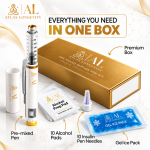
Included in the Box
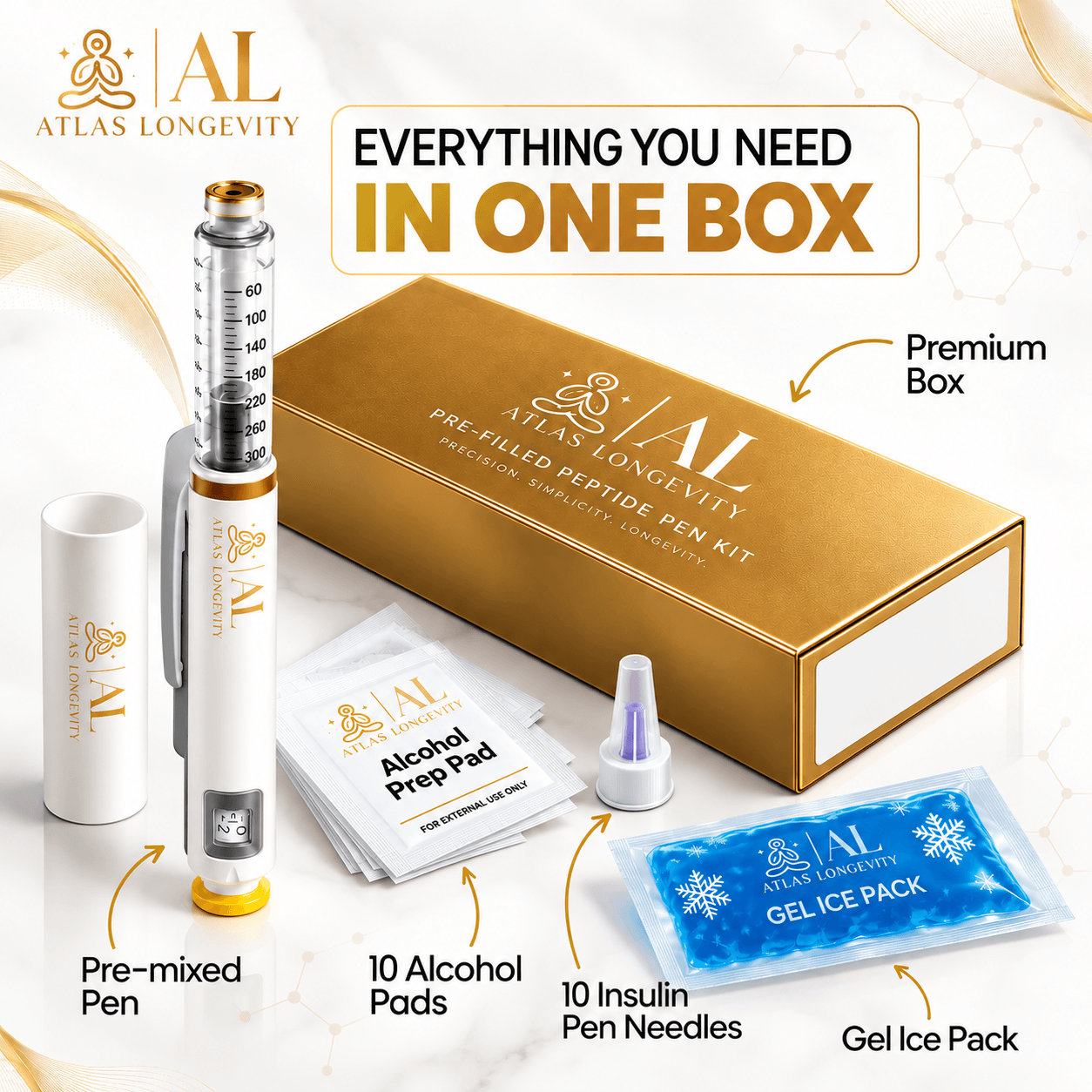
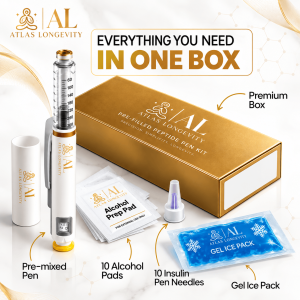
Each Atlas Longevity product is carefully packed to support secure storage, clean handling, and convenient research use. Inside the package, you’ll find the essential items needed for organized laboratory handling:
- 1× Ready-to-Use Injection Pen
- 10× Ultra-Fine Needles (33G, 4 mm)
- 10× Alcohol Prep Pads
- Protective Foam Insert to help keep the pen secure during transport
- Quick-Reference Instruction Panel inside the packaging
- Tamper-Evident Security Seal for added package protection
Each component is arranged in a clean, protective presentation designed to keep the product secure and easy to access.
Storage
Storage instructions should follow the information supplied with the specific Atlas Longevity BPC-157 formulation.
The reference product provides refrigeration and stability instructions for its own pre-mixed formulation, but formulation-specific storage conditions should not automatically be transferred to an Atlas Longevity product without supporting stability information.
Always follow the storage instructions shown on the Atlas Longevity product label and accompanying documentation.
Frequently Asked Questions
What is BPC-157?
BPC-157 is a synthetic 15-amino-acid peptide investigated mainly in experimental tissue-repair, gastrointestinal, vascular, inflammatory, musculoskeletal, and regenerative research.
How does BPC-157 work?
Research suggests that BPC-157 may influence several pathways involved in tissue repair, including angiogenesis, fibroblast activity, collagen production, nitric-oxide regulation, inflammatory signalling, and vascular function. Pasted text
Most mechanistic evidence remains preclinical.
Has BPC-157 been studied in humans?
Limited human observational information is described in the supplied material, but the majority of the evidence presented comes from animal and in-vitro studies.
Established human randomized clinical evidence is not supplied.
Is BPC-157 approved for medical use?
No regulatory therapeutic approval is identified in the supplied evidence. Pasted text
What is BPC-157 being researched for?
Experimental research areas include:
- tendon and ligament repair;
- skeletal-muscle recovery;
- gastrointestinal tissue protection;
- angiogenesis;
- vascular function;
- inflammatory regulation;
- nerve regeneration;
- bone and joint repair;
- wound healing.
Evidence quality varies considerably between these research areas.
How much BPC-157 is in an Atlas Longevity pen?
Atlas Longevity BPC-157 pens on this page are available as:
5 mg total BPC-157 in 3 mL
or
10 mg total BPC-157 in 3 mL
depending on the selected variant.
How many clicks are in an Atlas Longevity BPC-157 pen?
Each pen contains:
300 total clicks / units
with:
1 click = 0.01 mL
How much BPC-157 is in one click of the 5 mg pen?
For the 5 mg pen:
5 mg ÷ 300 = approximately 0.0167 mg per click
Equivalent to approximately:
16.7 mcg per click
How much BPC-157 is in one click of the 10 mg pen?
For the 10 mg pen:
10 mg ÷ 300 = approximately 0.0333 mg per click
Equivalent to approximately:
33.3 mcg per click
How many clicks equal 0.25 mg?
For the 5 mg pen:
15 clicks = 0.25 mg
For the 10 mg pen:
0.25 mg mathematically equals approximately 7.5 clicks, so it does not correspond exactly to a whole-click setting.
How many clicks equal 0.5 mg?
For the 5 mg pen:
30 clicks = 0.5 mg
For the 10 mg pen:
15 clicks = 0.5 mg
These are concentration conversions rather than dosing recommendations.
What is the maximum selectable amount on the pen?
The pen can select a maximum of 60 clicks at one time.
That corresponds to:
- 1 mg with the 5 mg pen
- 2 mg with the 10 mg pen
This describes pen mechanics only and is not a recommended dose.
How long does a BPC-157 pen last?
Duration depends entirely on how many clicks are used per administration.
The cartridge contains a total of 300 clicks.
For example:
300 ÷ clicks used each time = total number of administrations available
This is a pen-capacity calculation, not protocol guidance.
Does the product disappear when the dial returns to zero?
No.
After administration, the dial returns to zero while the remaining contents stay inside the cartridge.
The pen continues to contain the unused product until all 300 units have been used.
Can BPC-157 be combined with TB-500?
The supplied source discusses BPC-157 and TB-500 together in experimental regenerative research. Pasted text
However, the supplied information does not establish a clinically validated combination protocol, safety profile, or effective human dosing strategy.
How should the BPC-157 pen be stored?
Follow the instructions supplied with the actual Atlas Longevity BPC-157 formulation.
The storage temperature and stability period from another manufacturer’s product should not be assumed to apply automatically to Atlas Longevity.
- Supports fat metabolism
- Supports body composition
- Performance-focused compound
- Easy-to-use pen format
- No mixing required
We offer fast and discreet delivery across Bali.
Around Canggu
100,000 IDR
Delivery within 1–5 hours of order
Other Areas of Bali
200,000 IDR
Delivery within 1–5 hours of order
✔ Discreet packaging
✔ Same-day delivery available
- Trusted suppliers
- Quality-controlled products
- Fast and discreet delivery
- Personalised guidance available
Related products
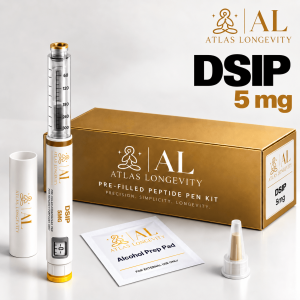
DSIP Pen
Price range: Rp1,300,000.00 through Rp3,100,000.00 ~$78.79–$187.88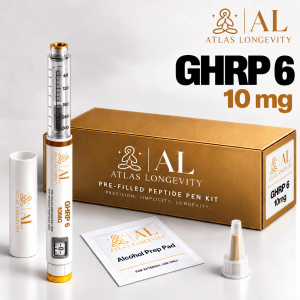
GHRP 6 10MG
Price range: Rp1,900,000.00 through Rp2,500,000.00 ~$115.15–$151.52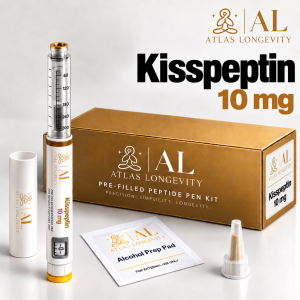
Kisspeptin 10mg Pen
Price range: Rp1,450,000.00 through Rp2,050,000.00 ~$87.88–$124.24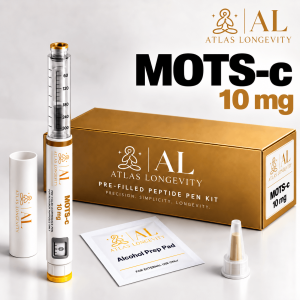
MOTS-C Pen
Price range: Rp1,700,000.00 through Rp3,800,000.00 ~$103.03–$230.30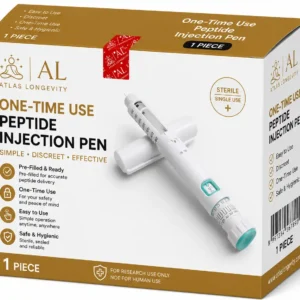
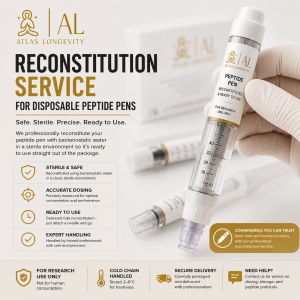
Reconstitution Service for Disposable Peptide Pens
Rp250,000.00 ~$15.15
 Peptide Vials
 Peptide Nasal Sprays
 Peptide Protocols
 Bundles