
Blog
How Does BPC 157 Work? Complete Guide to Healing Support

Introduction
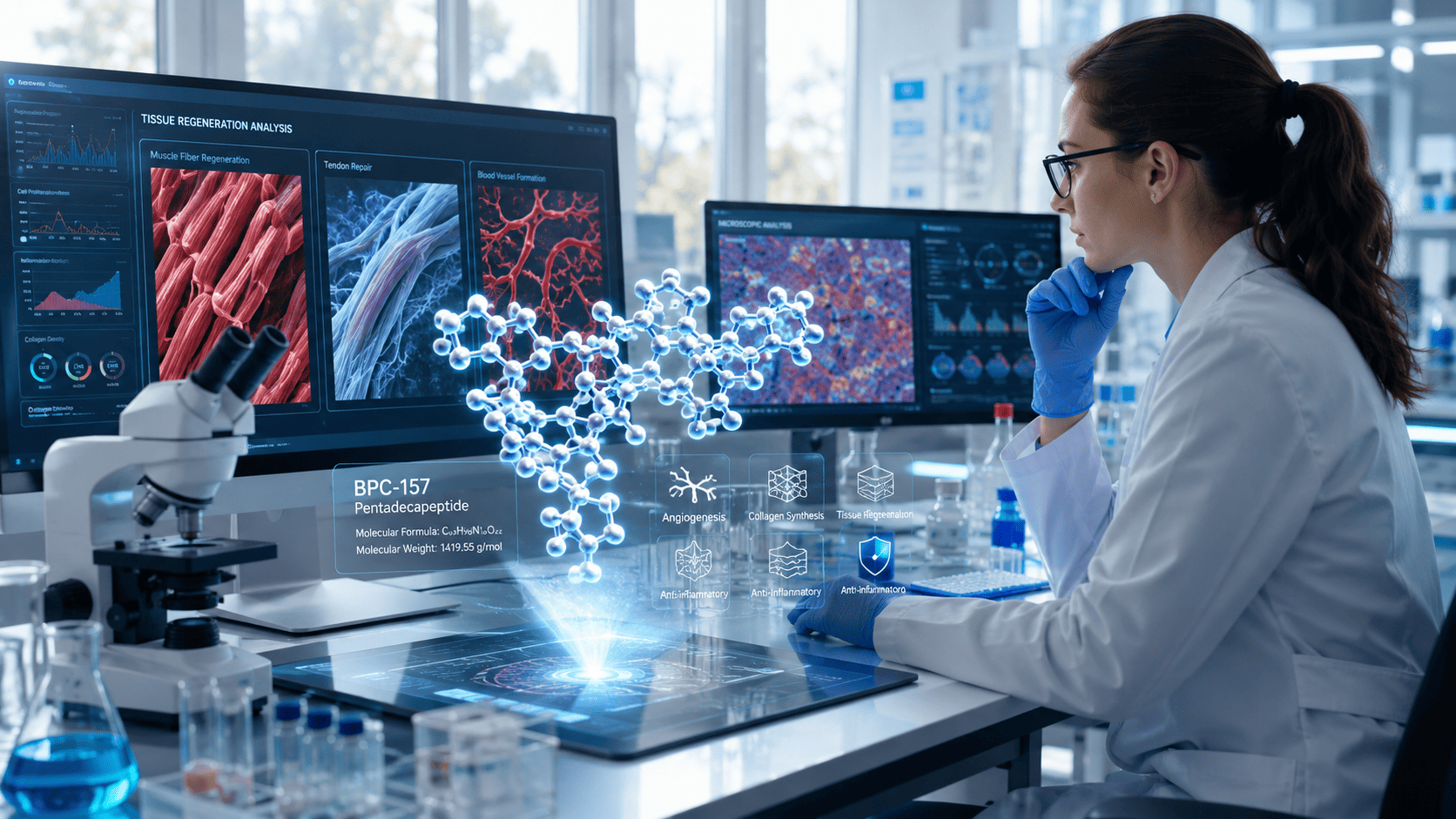
How does BPC 157 work? It’s a question increasingly asked by athletes, fitness enthusiasts and people recovering from injuries who are looking for ways to support the body’s natural healing process. BPC 157 has attracted growing attention because early research suggests it may play a role in tissue repair, inflammation regulation and gut health. However, much of the available evidence comes from laboratory and animal studies, meaning researchers are still working to understand its full effects in humans.
Unlike many supplements marketed for recovery, BPC 157 is a synthetic peptide based on a naturally occurring protein fragment found in the stomach. Scientists are investigating how it interacts with the body’s repair mechanisms and whether it could support healing in tendons, muscles, ligaments and other soft tissues.
This guide explains how does BPC 157 work, the biological processes researchers believe are involved, what current studies reveal, and where the evidence remains limited. You’ll also discover practical examples, common misconceptions and important safety considerations to help you make informed decisions based on today’s research.
What Is BPC 157 and Why Is It Getting So Much Attention?
BPC 157 is a synthetic peptide being studied for its potential to support tissue repair and healing. Although interest in the peptide has grown rapidly over recent years, it is important to understand both what it is and why researchers continue to investigate its therapeutic potential.
Understanding BPC 157
BPC stands for Body Protection Compound, while “157” refers to the sequence of amino acids that make up the peptide. It was developed from research into proteins naturally found within human gastric juice.
Peptides are short chains of amino acids that act as signalling molecules throughout the body. Many peptides influence biological functions such as hormone regulation, immune responses and tissue repair. BPC 157 belongs to this broader group and is being investigated for its possible regenerative properties.
Unlike vitamins or traditional dietary supplements, BPC 157 is primarily discussed within scientific research and experimental medicine. Although it has become popular online, it has not been widely approved as a standard medical treatment.
Why People Use BPC 157
People are interested in BPC 157 because early research suggests it may support several aspects of healing. Common areas of interest include:
- Tendon and ligament recovery
- Muscle repair after injury
- Joint support
- Gastrointestinal health
- Inflammation management
- Recovery following surgery or physical trauma
Many discussions surrounding BPC 157 originate from sports medicine communities, where faster recovery can significantly influence training and performance. However, these potential benefits should always be considered alongside the current limitations of scientific evidence.
Who Is Interested in BPC 157?
Interest in BPC 157 extends beyond elite athletes. Today, several groups are following the latest research, including:
- Recreational athletes recovering from sports injuries
- Personal trainers and sports therapists
- Physiotherapists interested in regenerative medicine
- Researchers studying peptide therapies
- Individuals managing chronic tendon or joint conditions
As peptide therapies continue to evolve, healthcare professionals are placing greater emphasis on evidence-based discussions rather than relying on anecdotal reports shared online.
Key points
- BPC 157 is a synthetic peptide derived from gastric protein research.
- It is being studied for its potential role in tissue repair and healing.
- Most current evidence comes from preclinical rather than large human clinical studies.
- Interest continues to grow across sports medicine and regenerative health research.
How Does BPC 157 Work Inside the Body?
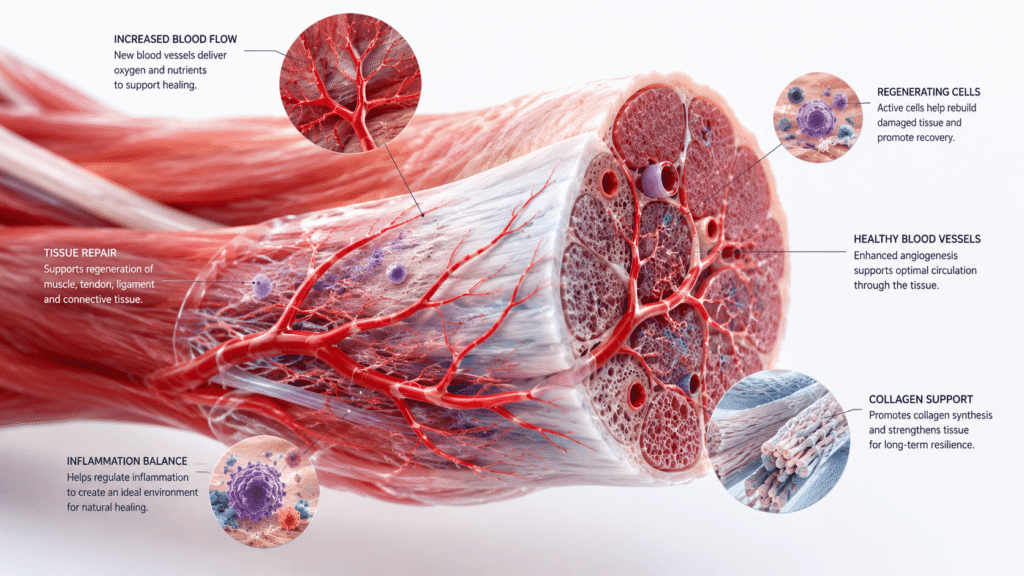
Current research suggests that BPC 157 works by supporting several biological processes involved in tissue repair. Rather than targeting a single pathway, researchers believe it may influence blood vessel formation, inflammation, collagen production and cellular signalling.
Although scientists are still uncovering its exact mechanisms, several consistent findings have appeared across multiple laboratory studies.
The Science Behind BPC 157
Healing is a complex process involving communication between cells, blood vessels, connective tissue and the immune system. Researchers believe BPC 157 may help coordinate several of these natural repair mechanisms.
Supporting Blood Vessel Formation (Angiogenesis)
One proposed mechanism is angiogenesis, the formation of new blood vessels.
Healthy blood flow supplies injured tissues with oxygen and nutrients while removing waste products. Laboratory studies suggest BPC 157 may encourage this process, potentially creating an environment that supports healing.
Improved circulation is particularly important for tendons and ligaments because these tissues naturally receive less blood than muscles.
Encouraging Tissue Repair
Researchers also believe BPC 157 may influence cellular repair pathways responsible for rebuilding damaged tissue.
This includes supporting:
- Tendons
- Ligaments
- Muscles
- Skin
- Connective tissue
These findings have generated significant interest in sports injury recovery, although more human studies are required before firm conclusions can be made.
Helping Regulate Inflammation
Inflammation is a normal part of healing, but excessive or prolonged inflammation may delay recovery.
Some studies indicate BPC 157 could help regulate inflammatory responses rather than simply suppressing them. Maintaining a balanced inflammatory process allows damaged tissue to repair without unnecessary ongoing irritation.
Researchers continue investigating exactly how these pathways function in humans.
Supporting Collagen Production
Collagen is one of the body’s primary structural proteins. It provides strength and flexibility to tendons, ligaments, skin and connective tissue.
Early research suggests BPC 157 may stimulate collagen formation during the repair process. Strong collagen fibres are essential for rebuilding injured tissues and restoring normal function after injury.
Potential Effects on the Gut-Brain Connection
One of the more unique areas of BPC 157 research involves gastrointestinal health.
Because the peptide originated from gastric protein studies, scientists have investigated whether it helps protect the digestive lining while influencing communication between the digestive system and nervous system.
Although these findings remain preliminary, they continue to drive interest in broader therapeutic applications beyond sports injuries.
Proposed Mechanisms at a Glance
| Biological Process | Proposed Role of BPC 157 | Why It Matters |
|---|---|---|
| Angiogenesis | May encourage new blood vessel formation | Supports oxygen and nutrient delivery to injured tissue |
| Collagen production | May assist collagen synthesis | Helps strengthen tendons and ligaments during recovery |
| Inflammation regulation | May support balanced inflammatory responses | Creates an environment that supports natural healing |
| Cell signalling | May influence repair pathways | Assists tissue regeneration and recovery |
| Gastrointestinal protection | May help protect the digestive lining | Supports gut health and digestive function |
Section recap
- BPC 157 appears to influence several biological repair mechanisms rather than a single pathway.
- Proposed actions include angiogenesis, collagen production and inflammation regulation.
- Researchers continue investigating how these mechanisms translate into real-world human recovery.
- Existing evidence remains promising but is not yet considered definitive.
What Does Current Research Say About BPC 157?
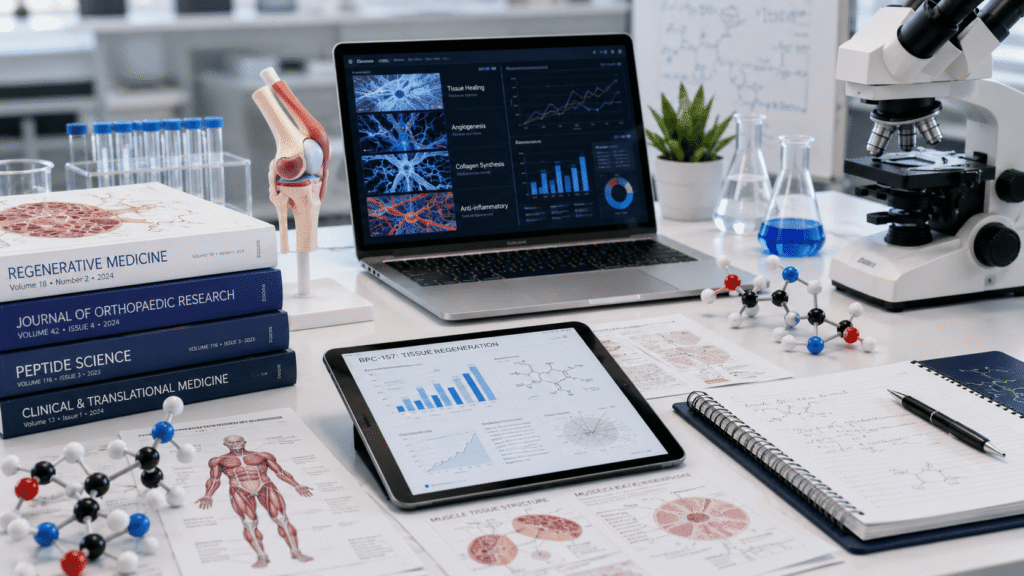
The available research on BPC 157 is encouraging, but it is still developing. While many studies report positive findings, most have been conducted in animals or laboratory settings rather than large-scale human clinical trials.
Findings from Animal Studies
Animal research has explored BPC 157 across a wide range of injuries and conditions. Areas showing promising results include:
- Tendon healing
- Muscle recovery
- Ligament repair
- Bone regeneration
- Nerve recovery
- Gastrointestinal protection
Across these studies, researchers frequently observed faster healing, improved tissue quality and reduced inflammation compared with untreated groups.
However, positive animal results do not automatically guarantee the same outcomes in humans. Clinical trials remain essential for confirming safety and effectiveness.
Human Research So Far
Compared with preclinical research, published human studies remain relatively limited.
Current research is exploring:
- Appropriate dosing
- Treatment duration
- Safety profiles
- Therapeutic effectiveness
- Suitable medical applications
Because evidence is still emerging, healthcare professionals generally recommend caution when interpreting claims made through social media or commercial marketing.
What Researchers Still Don’t Know
Several important questions remain unanswered, including:
- What is the ideal dosage?
- How effective is BPC 157 for different injuries?
- Are there long-term safety concerns?
- Which patients may benefit most?
- How does it compare with established medical treatments?
As interest in regenerative medicine grows, researchers expect larger human trials to provide clearer answers over the coming years.
Key takeaway: Current evidence suggests BPC 157 has significant research potential, particularly for tissue repair and healing. However, most supporting evidence comes from animal studies, and more high-quality human clinical research is needed before definitive medical conclusions can be drawn.
How BPC 157 Is Commonly Used in Practice
BPC 157 is most commonly discussed in relation to injury recovery, particularly involving soft tissues such as tendons, ligaments and muscles. While research is ongoing, many people are interested in whether it could complement conventional rehabilitation rather than replace it.
It is important to note that BPC 157 is still considered an investigational peptide in many countries. Anyone considering its use should seek advice from a qualified healthcare professional.
Situations Where People Explore BPC 157
Although there is no universally approved clinical use, BPC 157 is often discussed for conditions involving tissue repair and recovery.
Common examples include:
- Sports-related tendon injuries
- Ligament sprains
- Muscle strains and tears
- Recovery following orthopaedic surgery
- Joint discomfort linked to overuse
- Gastrointestinal conditions being investigated in research
- Soft tissue injuries from physically demanding occupations
Interest in these areas largely stems from animal studies suggesting BPC 157 may support the body’s natural healing processes. However, individual outcomes can vary, and current evidence does not support viewing it as a guaranteed solution.
Example Recovery Journey
A real-world scenario helps illustrate where BPC 157 may fit into a broader recovery plan.
Situation
James is a 38-year-old recreational runner who develops persistent Achilles tendon pain after increasing his weekly running distance. After several weeks of discomfort, he visits a sports physiotherapist and receives a diagnosis of Achilles tendinopathy.
Action
His treatment plan includes:
- Reducing training volume
- Following a progressive strengthening programme
- Improving calf flexibility
- Prioritising adequate protein intake and sleep
- Discussing emerging treatment options, including BPC 157, with his healthcare professional
Rather than relying on a single intervention, James focuses on a comprehensive rehabilitation strategy supported by professional guidance.
Outcome
Over several months, consistent rehabilitation helps reduce pain, improve strength and gradually restore running capacity.
This example demonstrates an important principle: successful recovery usually depends on combining evidence-based rehabilitation with healthy lifestyle habits rather than searching for a single “quick fix”.
Why Rehabilitation Still Matters
Even if future research confirms additional benefits from BPC 157, rehabilitation remains the foundation of recovery.
Effective rehabilitation often includes:
- Individualised physiotherapy
- Progressive strength training
- Mobility exercises
- Proper nutrition
- Quality sleep
- Appropriate recovery between training sessions
- Regular reviews with healthcare professionals
Section recap
- BPC 157 is commonly explored alongside rehabilitation, not instead of it.
- Long-term recovery usually requires a combination of exercise, nutrition and professional guidance.
- Sustainable healing is rarely achieved through one intervention alone.
A Practical Framework for Supporting Recovery

Whether or not BPC 157 becomes part of a treatment plan, following a structured recovery process gives the body the best chance to heal effectively. Good rehabilitation is based on consistent habits rather than shortcuts.
Five Foundations of Better Healing
1. Obtain a Proper Diagnosis
Before beginning any treatment, identify the true cause of the problem.
A strained muscle, tendon injury and stress fracture may produce similar symptoms but require very different management strategies. Accurate diagnosis helps avoid unnecessary delays in recovery.
2. Follow an Evidence-Based Rehabilitation Plan
Rehabilitation should progress gradually.
Depending on the injury, your programme may include:
- Strength exercises
- Balance training
- Mobility work
- Functional movement practice
- Activity modification
Working with a physiotherapist or sports medicine professional helps ensure exercises match your stage of recovery.
3. Optimise Recovery Habits
The body’s repair systems depend heavily on everyday habits.
Focus on:
- Eating sufficient protein
- Staying hydrated
- Getting seven to nine hours of sleep
- Managing stress
- Avoiding smoking where possible
- Allowing adequate recovery between workouts
These factors often have a greater impact than many people realise.
4. Discuss Treatment Options with a Qualified Healthcare Professional
If you’re considering newer therapies such as BPC 157, have an informed discussion with a healthcare professional.
Topics to cover include:
- Current evidence
- Potential benefits
- Possible risks
- Regulatory status
- Alternative treatment options
This helps ensure decisions are based on science rather than marketing claims.
5. Monitor Progress Over Time
Healing rarely follows a perfectly straight line.
Track meaningful improvements such as:
- Pain levels
- Range of movement
- Daily function
- Strength gains
- Ability to return to work or sport
Monitoring progress allows treatment plans to be adjusted when necessary.
Quick Recovery Checklist
Use this checklist to support your recovery:
- ✔ Obtain a professional diagnosis before starting treatment.
- ✔ Follow a structured rehabilitation programme.
- ✔ Prioritise quality sleep every night.
- ✔ Eat enough protein to support tissue repair.
- ✔ Stay active within your healthcare provider’s recommendations.
- ✔ Record your recovery milestones each week.
- ✔ Attend follow-up appointments if symptoms persist.
Common Myths, Mistakes and Safety Considerations
Interest in BPC 157 has grown faster than the available scientific evidence. As a result, misinformation is common, particularly on social media and online discussion forums.
Understanding the limitations of current research helps people make better-informed decisions.
Common Misunderstandings
Myth: BPC 157 is a guaranteed cure
No treatment works for every injury or every person.
Healing depends on many variables, including age, injury severity, overall health and rehabilitation quality.
Myth: Rehabilitation is no longer necessary
One of the biggest mistakes is believing that a peptide alone can replace physiotherapy or exercise.
Connective tissues become stronger through appropriate loading and movement. Rehabilitation remains essential for restoring normal function.
Myth: Results are immediate
Even under ideal conditions, tissue healing takes time.
Recovery may require weeks or months depending on the injury. Expecting rapid improvements often leads to frustration and poor decision-making.
Myth: Animal studies prove human effectiveness
Animal research provides valuable scientific insight, but human biology is more complex.
Well-designed human clinical trials remain the gold standard for evaluating treatment effectiveness.
Potential Risks to Consider
Before considering BPC 157, it is worth recognising several uncertainties.
These include:
- Limited long-term human safety data
- Differences in product quality between suppliers
- Varying regulations across countries
- Lack of standardised dosing protocols
- Risk of relying on anecdotal online advice
Healthcare professionals generally recommend approaching emerging therapies cautiously until stronger clinical evidence becomes available.
When to Seek Professional Guidance
Professional advice is particularly important if you experience:
- Severe pain
- Sudden loss of function
- Significant swelling
- Persistent symptoms lasting several weeks
- Injuries following surgery
- Existing medical conditions requiring ongoing care
Early assessment often leads to better outcomes than delaying treatment.
What This Means for Clinics, Sports Professionals and Small Businesses
Growing public interest in BPC 157 presents both opportunities and responsibilities for healthcare providers, fitness professionals and businesses operating in the health sector.
People increasingly search online before speaking with a healthcare professional. Businesses that provide balanced, evidence-based information are more likely to build long-term trust.
Why Clients Are Asking About BPC 157
Several factors have contributed to rising interest.
These include:
- Increased media coverage of peptide therapies
- Discussions on podcasts and social media
- Athlete recovery stories
- Greater public awareness of regenerative medicine
- Easier access to online health information
One noticeable trend across the health industry is that consumers now expect educational content rather than promotional messaging. Businesses that explain both benefits and limitations tend to establish greater credibility.
Providing Responsible Information
Healthcare clinics, physiotherapy practices and sports organisations should avoid making claims that are not supported by current evidence.
Instead, educational content should:
- Explain how BPC 157 is currently being researched
- Distinguish animal studies from human evidence
- Acknowledge research limitations
- Encourage informed discussions with healthcare professionals
This balanced approach supports trust while aligning with ethical marketing practices.
Building Trust Through Education
Experience across healthcare marketing consistently shows that educational resources outperform exaggerated claims over the long term.
Useful content may include:
- Frequently asked questions
- Research summaries written in plain English
- Recovery guides
- Injury prevention advice
- Evidence updates as new clinical studies become available
For small businesses, becoming a reliable source of information can strengthen customer relationships and improve online visibility. Search engines and AI-powered search tools increasingly prioritise content that demonstrates expertise, transparency and helpfulness rather than unsupported promises.
Key Takeaways on How BPC 157 May Support Healing
BPC 157 has become one of the most talked-about peptides in regenerative medicine because early research suggests it may support tissue repair, inflammation regulation and blood vessel formation. These proposed mechanisms have led scientists to investigate its potential role in healing tendons, ligaments, muscles and the digestive tract.
However, when asking how does BPC 157 work, it’s important to separate promising research from proven clinical outcomes. Most available evidence comes from laboratory and animal studies, while large, high-quality human trials remain limited. This means many questions about long-term safety, ideal dosing and overall effectiveness have yet to be answered.
For anyone recovering from an injury, the strongest evidence still supports a comprehensive rehabilitation plan that includes an accurate diagnosis, progressive exercise, good nutrition, adequate sleep and guidance from a qualified healthcare professional. Emerging therapies such as BPC 157 may continue to evolve as research progresses, but informed decision-making should always be based on the latest scientific evidence rather than online anecdotes.
Continue Learning About Peptide Research
As research into peptides continues to develop, staying informed is one of the best ways to make confident health decisions. Explore reputable scientific resources, follow updates from trusted medical organisations and speak with a qualified healthcare professional if you’re considering any treatment options. Understanding both the potential benefits and current research limitations will help you make choices based on evidence rather than hype.
Frequently Asked Questions
1. How does BPC 157 work to support healing?
BPC 157 is believed to support healing by influencing several biological processes involved in tissue repair. Researchers suggest it may promote blood vessel formation, regulate inflammation, encourage collagen production and support cellular signalling. These combined effects may create an environment that helps damaged tissues recover more efficiently.
Most of this evidence comes from laboratory and animal studies, so additional human clinical research is needed to confirm these findings.
2. Does BPC 157 help tendon and ligament injuries?
Early research suggests BPC 157 may support tendon and ligament healing. Animal studies have reported improvements in tissue repair, collagen organisation and recovery following injury.
However, there is currently limited high-quality human evidence. While the findings are promising, BPC 157 should not be viewed as a proven treatment for tendon or ligament injuries at this stage.
3. How long does BPC 157 take to work?
There is no established timeframe because human research is still limited. Recovery depends on many factors, including the type of injury, its severity, overall health and adherence to a rehabilitation programme.
Anyone promising rapid or guaranteed results should be approached with caution, as healing timelines vary significantly between individuals.
4. Is there strong scientific evidence supporting BPC 157?
Not yet. The strongest evidence currently comes from preclinical research involving animals and laboratory models. While these studies have produced encouraging results, larger human clinical trials are required before definitive conclusions can be drawn about effectiveness and safety.
Researchers continue to investigate BPC 157 as interest in regenerative medicine grows.
5. Can BPC 157 support muscle recovery after exercise?
Some studies suggest BPC 157 may assist muscle repair following injury by supporting tissue regeneration and reducing inflammation. This has made it a topic of interest within sports medicine.
However, proven recovery strategies such as progressive training, adequate nutrition, hydration and sufficient sleep remain the foundation of effective muscle recovery.
6. Is BPC 157 approved for medical use?
Approval varies depending on the country and regulatory authority. In many regions, BPC 157 has not been approved as a standard prescription medicine and is still considered an investigational peptide.
Anyone considering its use should understand the regulations that apply in their location and seek professional medical advice.
7. What are the potential risks or side effects of BPC 157?
The main concern is the limited availability of long-term human safety data. Because research is still evolving, the full safety profile has not yet been established.
Additional considerations include product quality, inconsistent manufacturing standards and uncertainty around appropriate dosing. These factors highlight the importance of consulting a qualified healthcare professional before considering any emerging therapy.
8. Should BPC 157 replace conventional rehabilitation or medical treatment?
No. Current evidence does not support replacing established medical care or rehabilitation programmes with BPC 157.
Evidence-based recovery typically includes an accurate diagnosis, physiotherapy where appropriate, progressive exercise, healthy nutrition and ongoing monitoring. If future research confirms additional benefits for BPC 157, it is more likely to be considered as part of a broader treatment plan rather than a standalone solution.
Make Informed Decisions About BPC 157
If you’re considering BPC 157 or simply want to understand the latest research, focus on information backed by credible scientific evidence rather than anecdotal claims. As new human studies emerge, our understanding of how BPC 157 works and where it may be most beneficial will continue to evolve. If you’re recovering from an injury or managing an ongoing health condition, speak with a qualified healthcare professional to determine the most appropriate treatment plan for your individual needs.
 Peptide Vials
 Peptide Pens
 Peptide Nasal Sprays
 Peptide Protocols
 Bundles