

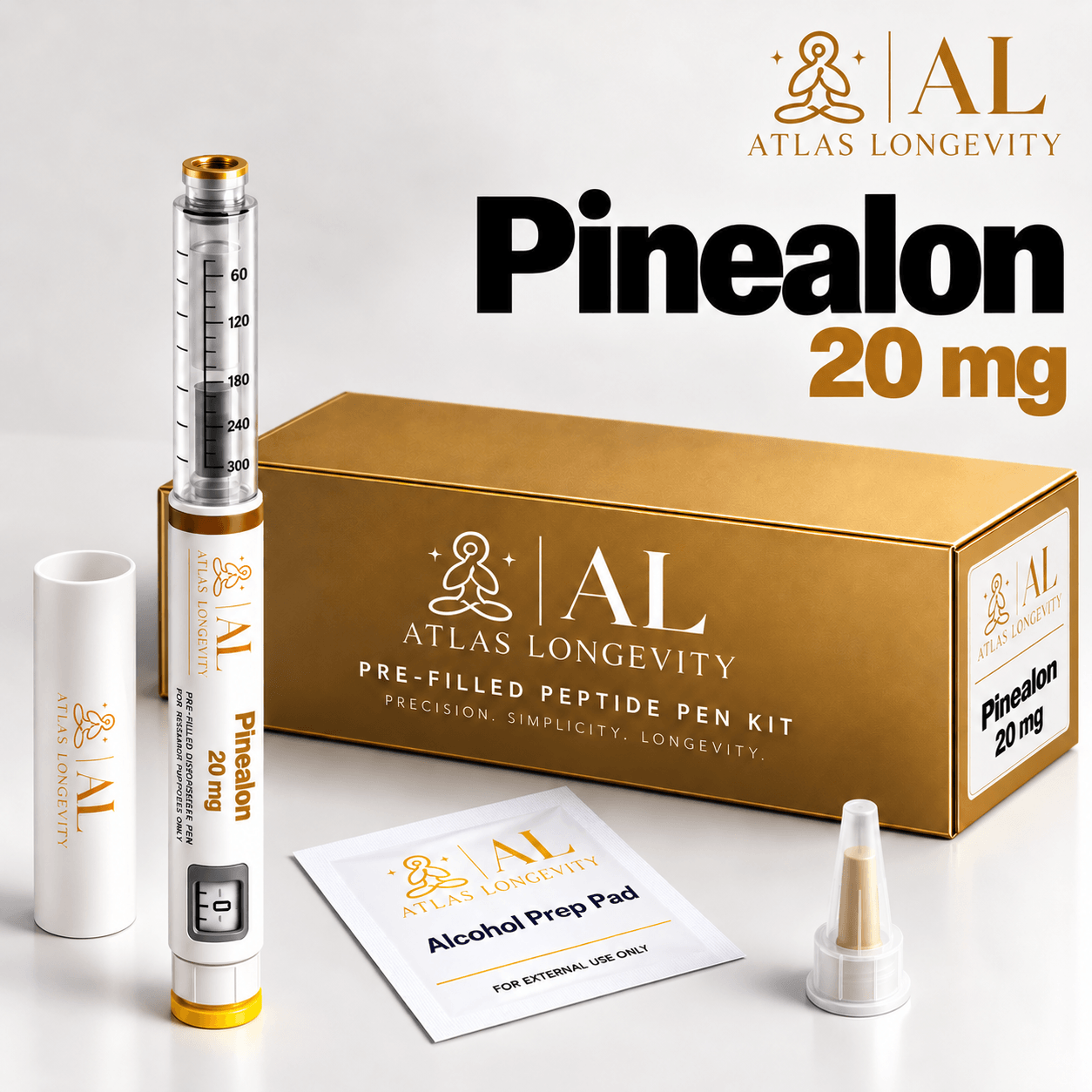
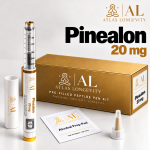
Pinealon 20mg
Price range: Rp2,200,000.00 through Rp2,800,000.00 ~$133.33–$169.70
Pinealon is a synthetic short-chain peptide bioregulator composed of three amino acids:
Glu–Asp–Arg (EDR)
It has been investigated primarily in neuroprotection, cognitive biology, cellular stress responses, neuronal gene regulation, and ageing-related research.
The supplied material describes Pinealon as originating from the Russian peptide-bioregulator research tradition and discusses experimental findings involving:
- neuronal oxidative stress;
- hypoxic injury;
- apoptosis;
- mitochondrial function;
- gene-expression regulation;
- cognitive performance;
- circadian biology;
- age-related cellular changes.
The Atlas Longevity Pinealon pen contains 20 mg in a 3 mL cartridge with 300 total units/clicks.
The evidence base for Pinealon is substantially more limited than that of established neurological medicines. Most of the supplied research is animal, in-vitro, or observational, with no established large-scale randomized human evidence or regulatory approval.
Clinical / Research Status
Pinealon remains an investigational peptide bioregulator.
| Evidence Type | Status Based on Supplied Material |
|---|---|
| Human randomized clinical research | Not established |
| Human observational research | Limited |
| Animal research | Yes |
| In-vitro research | Yes |
| Regulatory therapeutic approval | No |
The supplied material discusses limited human observational findings alongside a larger body of preclinical research.
Claims involving cognitive enhancement, neuroprotection, longevity, sleep improvement, or anti-ageing should therefore remain experimental rather than established therapeutic claims.
Evidence Type
The source describes research involving:
- aged-animal cognitive models;
- cultured cortical neurons;
- accelerated-ageing mouse models;
- human fibroblast cultures;
- neurotoxicity models;
- limited elderly observational research;
- ischemia-reperfusion models;
- sleep-deprivation behavioural models.
These studies investigate different biological endpoints and should not all be interpreted as equivalent evidence of human clinical efficacy.
Mechanism of Action
Pinealon is investigated as a cell-penetrating tripeptide bioregulator.
The supplied material proposes that the Glu-Asp-Arg sequence may interact with cellular and nuclear regulatory systems involved in neuronal survival and stress responses.
Reported research mechanisms include:
- modulation of gene expression;
- regulation of neuronal survival pathways;
- oxidative-stress reduction;
- mitochondrial stabilisation;
- apoptosis-related signalling;
- possible epigenetic effects;
- changes in neurotransmitter-related pathways.
Gene-Expression Regulation
One of Pinealon’s defining research concepts is its proposed ability to influence transcription of genes involved in:
- neuronal survival;
- antioxidant defence;
- apoptosis;
- cellular adaptation.
The exact molecular interactions and their relevance in humans remain incompletely established.
Oxidative-Stress Research
Experimental work described in the source reports changes in:
- reactive oxygen species;
- antioxidant enzyme activity;
- mitochondrial integrity;
- stress-related cellular survival.
Neurotransmitter Research
The supplied material also discusses possible effects on serotonin metabolism and related neuronal signalling.
These mechanisms remain exploratory.
Potential Benefits / Research Areas
Cognitive Function Research
Pinealon has been studied in aged and stressed experimental models involving:
- memory;
- learning;
- attention;
- reaction time;
- cognitive performance.
The source reports improvements in selected cognitive endpoints in animal models and limited observational research.
These findings do not establish Pinealon as a clinically proven cognitive enhancer.
Neuroprotection Research
A major Pinealon research area involves neuronal responses to:
- oxidative stress;
- hypoxia;
- excitotoxicity;
- neurotoxic exposure;
- ischemic injury.
Experimental findings described by the source include reduced markers of neuronal damage and improved survival in selected models.
Oxidative-Stress Biology
The source discusses Pinealon in relation to endogenous antioxidant systems including:
- superoxide dismutase;
- catalase;
- mitochondrial defence mechanisms.
These findings are mainly preclinical.
Apoptosis Research
Experimental models have examined whether Pinealon can influence programmed cell-death signalling under cellular stress.
Research described by the source includes changes in apoptosis-related pathways and neuronal survival markers.
Mitochondrial Research
Pinealon has also been investigated for possible effects on:
- mitochondrial integrity;
- oxidative damage;
- energy-related cellular resilience.
This is particularly relevant to neurodegeneration and ageing models.
Cellular Ageing Research
The supplied material discusses Pinealon as a peptide bioregulator involved in experimental ageing research.
Reported areas include:
- cellular longevity;
- telomerase-related activity;
- telomere biology;
- age-related gene-expression changes.
These findings do not establish extension of human lifespan or reversal of human ageing.
Circadian Rhythm Research
Pinealon has also been investigated in relation to:
- pineal biology;
- melatonin-associated rhythms;
- sleep-wake regulation;
- circadian signalling.
The evidence described remains limited and primarily experimental.
Stress-Response Research
Animal models have investigated Pinealon during physical or psychological stress.
The source proposes effects involving:
- HPA-axis signalling;
- cellular adaptation;
- cognitive resilience.
These are research observations rather than established therapeutic effects.
Retinal and Visual Research
The supplied material also discusses experimental retinal models involving:
- photoreceptor preservation;
- ischemic stress;
- electrophysiological responses;
- age-related retinal changes.
Human ophthalmological efficacy is not established.
Research Data
| Study / Model | Reported Finding |
|---|---|
| Aged rat cognitive models | Increased memory retention and learning-related performance |
| Cultured cortical neurons | Reduced oxidative-stress markers and increased neuronal survival under hypoxic stress |
| Accelerated-ageing mouse models | Changes in lifespan and preservation of selected cognitive endpoints |
| Human fibroblast culture | Increased telomerase-related activity and telomere-associated measurements |
| Rotenone neurotoxicity model | Reduced apoptosis and improved mitochondrial integrity |
| Elderly observational research | Changes in attention, recall and psycho-emotional measures |
| Rat ischemia-reperfusion model | Reduced injury-related measurements and altered neuroprotective gene expression |
| Sleep-deprivation model | Changes in circadian markers and cognitive-stress outcomes |
Most of these findings are preclinical, and the limited observational evidence should not be treated as proof of clinical effectiveness.
Potential Stack / Combination Research
The supplied material discusses experimental research combinations involving:
- Pinealon + Epitalon;
- Pinealon + Cerebrolysin;
- Pinealon + Semax;
- Pinealon + SS-31.
The proposed rationale involves combining pathways related to:
- neuroprotection;
- mitochondrial biology;
- neurotrophic signalling;
- circadian regulation;
- cellular ageing.
The supplied information does not establish validated human safety, compatibility, efficacy, or dosing for these combinations.
They should therefore be treated strictly as experimental research concepts.
Atlas Longevity Pinealon Pen Dosage / Click Chart
The Atlas Longevity Pinealon pen contains:
20 mg Pinealon
3 mL cartridge volume
300 total clicks
1 click = 0.01 mL
Maximum selectable dial amount = 60 clicks
Pen Specification
| Pen Strength | Volume | Concentration | Amount Per Click |
|---|---|---|---|
| 20 mg | 3 mL | ≈6.667 mg/mL | ≈0.0667 mg / 66.7 mcg |
Concentration Calculation
20 mg ÷ 3 mL = 6.6667 mg/mL
Rounded:
≈6.667 mg/mL
Amount Per Click
20 mg ÷ 300 clicks = 0.066667 mg
Therefore:
1 click ≈0.0667 mg
or:
≈66.7 mcg Pinealon
Pinealon Click Conversion Chart
| Clicks | Volume | Pinealon Amount |
|---|---|---|
| 1 | 0.01 mL | ≈0.0667 mg / 66.7 mcg |
| 3 | 0.03 mL | 0.200 mg |
| 5 | 0.05 mL | ≈0.333 mg |
| 7 | 0.07 mL | ≈0.467 mg |
| 8 | 0.08 mL | ≈0.533 mg |
| 10 | 0.10 mL | ≈0.667 mg |
| 15 | 0.15 mL | 1.000 mg |
| 20 | 0.20 mL | ≈1.333 mg |
| 30 | 0.30 mL | 2.000 mg |
| 40 | 0.40 mL | ≈2.667 mg |
| 45 | 0.45 mL | 3.000 mg |
| 50 | 0.50 mL | ≈3.333 mg |
| 60 | 0.60 mL | 4.000 mg |
Useful Conversions
- 15 clicks = 1 mg
- 30 clicks = 2 mg
- 45 clicks = 3 mg
- 60 clicks = 4 mg
The maximum selectable amount in one dial operation is:
60 clicks = 0.60 mL = 4 mg Pinealon
This is a mathematical concentration conversion and not a dosing recommendation.
Protocol / Dosage Information
The supplied source describes experimental quantities ranging approximately from:
0.5 mg to 5 mg
Its original click calculations were based on a different 20 mg / 2 mL formulation, so those source click values must not be applied to the Atlas 3 mL pen.
Using the Atlas 20 mg / 3 mL / 300-click formulation:
| Source-Referenced Amount | Atlas Pen Mathematical Equivalent |
|---|---|
| 0.50 mg | ≈7.5 clicks* |
| 1.00 mg | 15 clicks |
| 2.00 mg | 30 clicks |
| 3.00 mg | 45 clicks |
| 4.00 mg | 60 clicks |
| 5.00 mg | 75 total clicks |
*A calculated value of 7.5 clicks cannot be selected exactly using whole pen units.
Important Pen Limitation
The Atlas pen allows a maximum single dial selection of:
60 clicks
which equals:
4 mg Pinealon
Therefore:
5 mg = 75 clicks mathematically
and cannot be selected as one dial amount.
This value is included only to translate quantities appearing in the supplied research source.
It is not an instruction to divide, repeat, or administer multiple injections.
The source’s daily schedules, frequency, duration, cycle intervals, and “biohacker” protocols should not be reproduced as human self-administration instructions.
Possible Side Effects
The supplied material describes relatively few adverse effects, but the human evidence base is limited and does not establish a complete safety profile.
Reported observations include:
- transient mild headache;
- localized injection-site redness or irritation;
- occasional drowsiness;
- altered sleep patterns;
- mild gastrointestinal discomfort.
Human Safety Evidence
The source states that significant hormonal, hepatic, or neurotoxic adverse effects have not been identified in available preclinical research.
However, absence of an adverse signal in limited preclinical or observational data does not establish safety in humans.
Important uncertainties include:
- long-term systemic exposure;
- neurological interactions;
- psychiatric medication interactions;
- other CNS-active compounds;
- reproductive exposure;
- effects in neurological disease;
- repeated combination protocols.
Rapid Metabolism Claim
The supplied material suggests that Pinealon may be metabolized into its constituent amino acids because it is a short tripeptide.
That structural characteristic may influence degradation, but it should not be used to imply guaranteed safety.
Product Attributes
| Attribute | Information |
|---|---|
| Compound Name | Pinealon |
| CAS Number | 868840-93-5 |
| Molecular Formula | C15H26N6O8 |
| Amino Acid Sequence | Glu-Asp-Arg |
| Sequence Code | EDR |
| Peptide Length | 3 amino acids |
| Molecular Weight | Approximately 418.4 g/mol |
| PubChem CID listed by source | 10273502 |
| Half-Life listed by source | Approximately 2–4 hours |
| Synonyms | Glu-Asp-Arg, EDR tripeptide, Pineal bioregulator |
| Compound Type | Synthetic research tripeptide bioregulator |
| Research Focus | Cognition, neuroprotection, cellular ageing and stress biology |
Atlas should verify the exact compound identity, molecular form, analytical purity, and related specifications against the actual Certificate of Analysis before final publication.
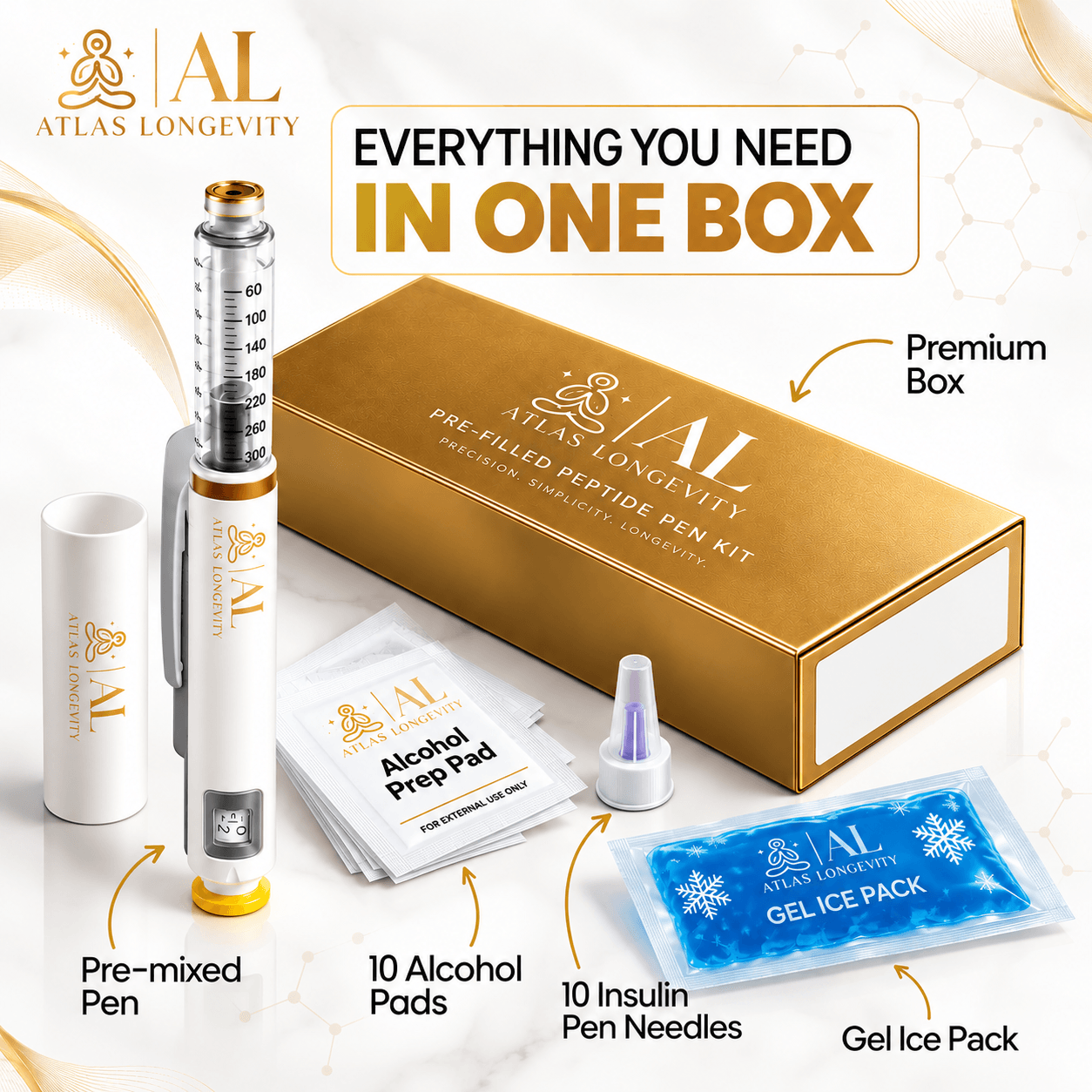
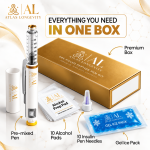
Included in the Box
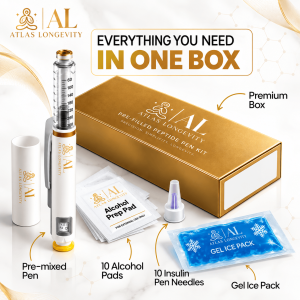
Each Atlas Longevity product is carefully packed to support secure storage, clean handling, and convenient research use. Inside the package, you’ll find the essential items needed for organized laboratory handling:
- 1× Ready-to-Use Injection Pen
- 10× Ultra-Fine Needles (33G, 4 mm)
- 10× Alcohol Prep Pads
- Protective Foam Insert to help keep the pen secure during transport
- Quick-Reference Instruction Panel inside the packaging
- Tamper-Evident Security Seal for added package protection
Each component is arranged in a clean, protective presentation designed to keep the product secure and easy to access.
Storage
Storage conditions should follow the instructions supplied specifically with the Atlas Longevity Pinealon formulation.
The reference source provides refrigeration and stability specifications for its own finished formulation. Those conditions should not automatically be transferred to Atlas Longevity without product-specific stability data.
Follow the temperature requirements, light-protection guidance, shelf-life information, and handling instructions shown on the Atlas Longevity product label or accompanying documentation.
Frequently Asked Questions
What is Pinealon?
Pinealon is a synthetic three-amino-acid peptide bioregulator with the sequence:
Glu-Asp-Arg (EDR)
It is primarily investigated for neuroprotection, cognition, cellular stress responses, and ageing-related biology.
Is Pinealon a peptide?
Yes.
Pinealon is a tripeptide, meaning it consists of three amino-acid residues.
What is the Pinealon sequence?
The sequence is:
Glu-Asp-Arg
or:
EDR
How does Pinealon work?
The supplied research proposes several mechanisms involving:
- cellular penetration;
- gene-expression regulation;
- antioxidant pathways;
- mitochondrial stability;
- apoptosis-related signalling;
- neuronal stress responses.
These mechanisms remain experimental.
Can Pinealon cross the blood-brain barrier?
The supplied material states that Pinealon has been reported to cross the blood-brain barrier in experimental research.
However, the degree and clinical relevance of CNS exposure in humans are not firmly established by the supplied evidence.
Does Pinealon interact with DNA?
The supplied source proposes interaction with regulatory regions involved in gene transcription.
This is a mechanistic research hypothesis and should not be presented as a fully established human mechanism.
What is Pinealon researched for?
Research areas include:
- cognition;
- memory;
- neuroprotection;
- oxidative stress;
- hypoxia;
- mitochondrial function;
- neuronal survival;
- cellular ageing;
- circadian biology;
- retinal research.
Has Pinealon been studied in humans?
The supplied material refers to limited observational human research.
It does not establish a substantial randomized controlled human evidence base.
Is Pinealon approved for medical use?
No.
The supplied material identifies Pinealon as an investigational research peptide without established regulatory approval.
Is Pinealon proven to prevent cognitive decline?
No.
The supplied source reports experimental findings in animal models and limited observational research, but this does not establish prevention or treatment of human cognitive decline.
Does Pinealon extend lifespan?
Some experimental ageing models described by the source report lifespan-related changes.
This does not establish human lifespan extension.
Is Pinealon researched for sleep?
Yes.
The supplied material discusses circadian and sleep-related research, including melatonin-associated signalling and experimental sleep-deprivation models.
That does not establish Pinealon as a proven sleep treatment.
Is Pinealon the same as Epitalon?
No.
Pinealon and Epitalon are different short peptides with different amino-acid sequences and research profiles.
They should not be treated as interchangeable.
How much Pinealon is in each Atlas Longevity pen?
Each Atlas Longevity Pinealon pen contains:
20 mg in 3 mL.
What is the concentration of the Pinealon pen?
The concentration is:
20 mg ÷ 3 mL = approximately 6.667 mg/mL
How many clicks are in the Pinealon pen?
Each pen contains:
300 total clicks / units
with:
1 click = 0.01 mL
How much Pinealon is in one click?
Each click contains approximately:
0.0667 mg
or:
66.7 mcg Pinealon
How many clicks equal 1 mg?
15 clicks = 1 mg.
How many clicks equal 2 mg?
30 clicks = 2 mg.
How many clicks equal 3 mg?
45 clicks = 3 mg.
How many clicks equal 4 mg?
60 clicks = 4 mg.
These are concentration calculations rather than dosing recommendations.
How many clicks equal 0.5 mg?
Mathematically:
0.5 mg ≈7.5 clicks
Because the Atlas pen uses whole-click increments, exactly 0.5 mg does not correspond to a whole-click setting.
How many clicks equal 5 mg?
Mathematically:
5 mg = 75 clicks
This exceeds the Atlas pen’s maximum 60-click single dial selection.
It therefore cannot be selected as one dial amount.
This calculation does not provide instructions for administering that quantity.
What is the maximum selectable amount on the Pinealon pen?
The maximum single dial selection is:
60 clicks
which equals:
0.60 mL
and:
4 mg Pinealon
This is a mechanical limit rather than a recommended amount.
How long does a Pinealon pen last?
The full pen contains:
300 clicks and 20 mg Pinealon.
For cartridge-capacity calculations only:
- 10 clicks at a time = 30 administrations
- 15 clicks at a time = 20 administrations
- 30 clicks at a time = 10 administrations
- 45 clicks at a time = 6 complete administrations with product remaining
- 60 clicks at a time = 5 administrations
These examples describe pen capacity rather than a treatment schedule.
Does the product disappear when the dial returns to zero?
No.
The dial returns to zero after administration while unused formulation remains inside the cartridge.
The remaining Pinealon stays in the pen until all 300 units have been used.
What is Pinealon’s half-life?
The supplied source lists an approximate half-life of:
2–4 hours
This is source-reported information and should not automatically be treated as formulation-specific pharmacokinetic data for the Atlas pen.
Can Pinealon be combined with Epitalon?
The supplied material discusses Pinealon + Epitalon as an experimental research concept involving circadian and cellular-ageing pathways.
Validated human combination safety, efficacy, compatibility, and dosing are not established.
Can Pinealon be combined with Semax?
The source also discusses Pinealon + Semax experimentally in CNS and neuroprotection research.
This remains an experimental research combination rather than an established protocol.
Is there an established dosage for the Atlas Pinealon pen?
No universally accepted or approved human dosage is established by the supplied information.
The Atlas click chart therefore represents concentration mathematics only.
How should the Atlas Longevity Pinealon pen be stored?
Follow the storage instructions supplied specifically with the actual Atlas Longevity Pinealon formulation.
The reference manufacturer’s refrigeration and stability claims relate to its own finished product and should not automatically be transferred to Atlas without formulation-specific stability evidence.
Related products
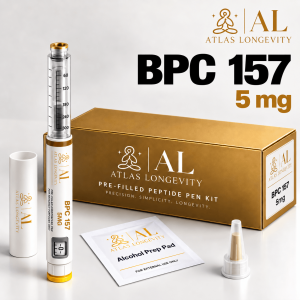
BPC-157 Pen
Price range: Rp1,200,000.00 through Rp2,300,000.00 ~$72.73–$139.39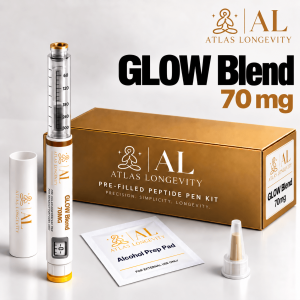
Glow Plus 70mg Pen (GHK-Cu + BPC-157 + TB-500)
Price range: Rp3,000,000.00 through Rp3,600,000.00 ~$181.82–$218.18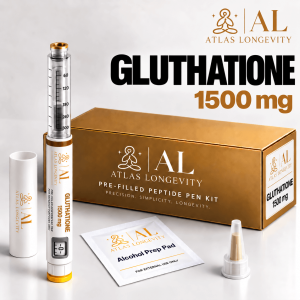
Glutathione 1500mg Pen
Price range: Rp2,500,000.00 through Rp3,100,000.00 ~$151.52–$187.88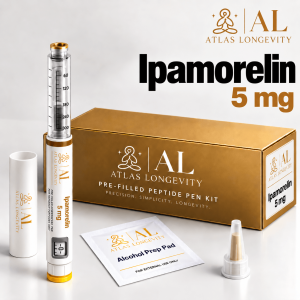
Ipamorelin Pen
Price range: Rp1,200,000.00 through Rp2,600,000.00 ~$72.73–$157.58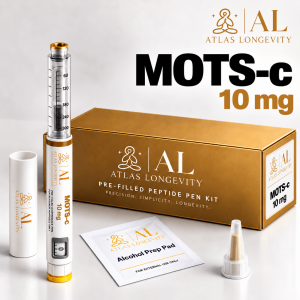
MOTS-C Pen
Price range: Rp1,700,000.00 through Rp3,800,000.00 ~$103.03–$230.30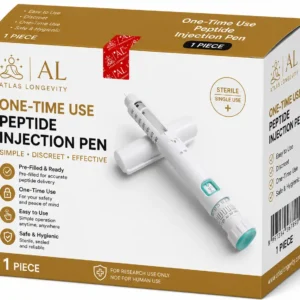
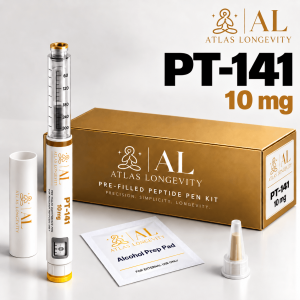
PT-141 Pen
Price range: Rp1,600,000.00 through Rp2,200,000.00 ~$96.97–$133.33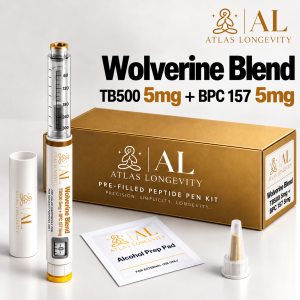
 Peptide Vials
 Peptide Nasal Sprays
 Peptide Protocols
 Bundles