
Blog
Best Recovery Peptides Guide: Expert Advice for Faster Recovery


Finding a reliable, best recovery peptides guide can be challenging, especially with so much conflicting information available online. Whether you’re recovering from an injury, managing muscle soreness after intense exercise, or looking to support your body’s natural healing processes, understanding what recovery peptides are—and what current research actually says—is an important first step.
Recovery is about more than simply reducing pain or getting back to training quickly. It involves a complex series of biological processes that repair damaged tissues, reduce inflammation, and restore normal function. While nutrition, sleep, physiotherapy, and exercise remain the foundations of recovery, peptides have gained increasing attention as a potential tool to complement these strategies.
This best recovery peptides guide explains how recovery peptides work, explores some of the most widely discussed options, and outlines the factors to consider before making any decisions. You’ll also learn how peptides compare with traditional recovery methods, what current evidence suggests, and why a balanced, evidence-informed approach is essential for achieving sustainable results.
What Are Recovery Peptides and Why Are They Gaining Attention?
Recovery peptides are short chains of amino acids that act as signalling molecules within the body. They help regulate various biological functions, including tissue repair, cell communication, immune responses, and inflammation. In recent years, they have become a popular topic among athletes, fitness enthusiasts, and healthcare professionals interested in supporting recovery from physical stress or injury.
Unlike protein supplements, which provide the raw materials for muscle growth and repair, peptides are designed to influence specific biological pathways. This targeted action is one reason they have attracted significant interest in sports medicine and regenerative health research.
Although many recovery peptides continue to be studied, it’s important to recognise that evidence varies considerably between different compounds. Some have shown encouraging results in laboratory and animal studies, while human clinical research remains limited for many commonly discussed peptides.
Defining recovery peptides
Peptides naturally occur throughout the human body and play an essential role in communication between cells. Recovery peptides refer to peptides that are being investigated for their potential to support healing and tissue regeneration.
They differ from hormones because peptides generally trigger or influence specific biological responses rather than replacing hormones directly. They also differ from nutritional supplements, which primarily provide vitamins, minerals, or nutrients rather than directing cellular activity.
Why recovery support matters
Everyday activities place stress on muscles, tendons, ligaments, and joints. Whether this stress comes from sport, physically demanding work, or ageing, effective recovery helps maintain mobility and reduce the likelihood of further injury.
Good recovery may contribute to:
- Reduced muscle soreness
- Improved tissue repair
- Better joint function
- Enhanced mobility
- More consistent physical performance
- Lower risk of overuse injuries
While recovery peptides are often discussed as a way to enhance these outcomes, they should always be viewed as one component of a broader recovery strategy rather than a standalone solution.
Who typically looks for recovery peptides?
Interest in recovery peptides extends beyond elite athletes. People researching the best recovery peptides guide often include:
- Recreational athletes aiming to recover between training sessions
- Gym-goers seeking improved muscle recovery
- Older adults wanting to maintain mobility
- Individuals recovering from tendon or ligament injuries
- Wellness clinics educating clients about emerging therapies
- Small businesses operating health or recovery services that want to provide evidence-based educational content
How Recovery Peptides Work Within the Body
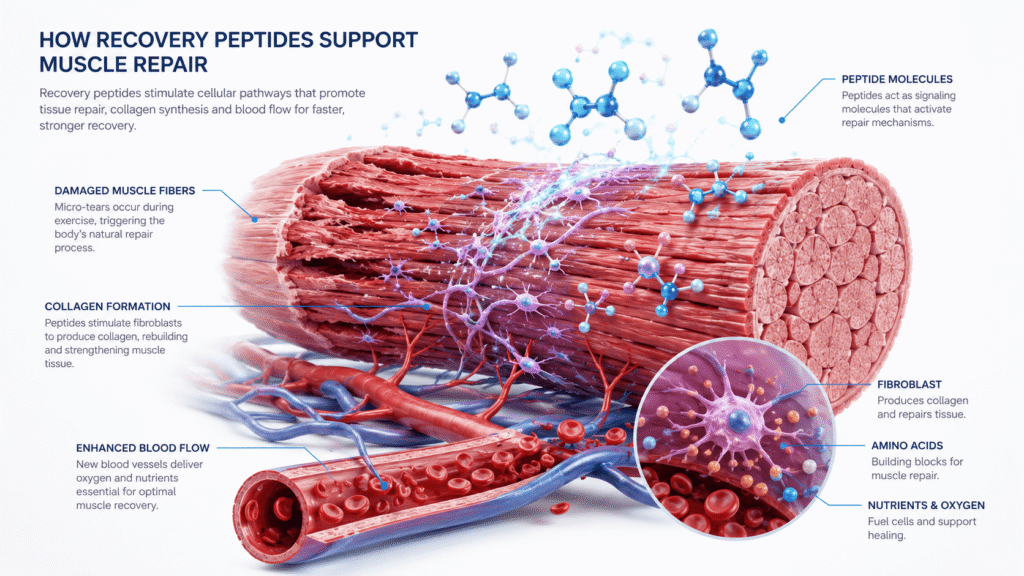
Recovery peptides work by influencing the body’s natural repair mechanisms. Rather than directly rebuilding damaged tissue, they send biological signals that may encourage cells to perform specific repair functions. Understanding this process helps explain why recovery peptides have become an area of growing scientific interest.
Although different peptides have different mechanisms, many are being studied for their ability to support tissue regeneration, regulate inflammation, or encourage new blood vessel formation.
Supporting the body’s natural repair processes
Following an injury or intense exercise, the body initiates a series of repair processes. Recovery peptides may influence several of these stages by interacting with receptors on specific cells.
Areas currently being researched include:
- Cell signalling that coordinates tissue repair
- Collagen production, which supports tendons, ligaments and skin
- Angiogenesis, the formation of new blood vessels that deliver oxygen and nutrients
- Inflammation regulation, helping maintain a balanced healing response
- Cell migration, where repair cells move towards injured tissue
Rather than acting as a quick fix, peptides are thought to support the body’s existing healing mechanisms.
Recovery peptides compared with other recovery methods
No single recovery method works in isolation. The most effective recovery plans usually combine several evidence-based approaches.
| Recovery Method | Primary Purpose | Typical Benefits | Considerations |
|---|---|---|---|
| Recovery peptides | Support cellular repair processes | May assist tissue recovery and healing support | Research is still developing for many peptides |
| Physiotherapy | Restore movement and function | Improves strength, flexibility and mobility | Requires consistency and professional guidance |
| Nutrition | Supply nutrients for tissue repair | Supports muscle recovery and immune health | Depends on overall diet quality |
| Sleep | Enable natural recovery | Hormone regulation and tissue repair | Often overlooked but essential |
| Supplements | Address nutritional deficiencies | May support overall recovery | Effectiveness varies by ingredient |
This comparison highlights an important point: recovery peptides are most effective when considered alongside established recovery practices rather than replacing them.
Factors that influence recovery outcomes
Even when using advanced recovery strategies, outcomes depend on multiple factors.
These include:
- Sleep quality
- Balanced nutrition
- Hydration
- Training intensity
- Stress management
- Existing medical conditions
- Age
- Consistency with rehabilitation programmes
An experienced sports clinician will often explain that two people using the same recovery approach can experience very different outcomes because these factors influence how efficiently the body repairs itself.
Section recap
Key points to remember:
- Recovery peptides support biological signalling rather than directly healing tissue.
- They work alongside the body’s existing repair mechanisms.
- Lifestyle habits remain one of the strongest influences on recovery success.
- Combining multiple recovery strategies generally produces better long-term outcomes than relying on a single intervention.
Comparing Popular Recovery Peptides and Their Potential Uses
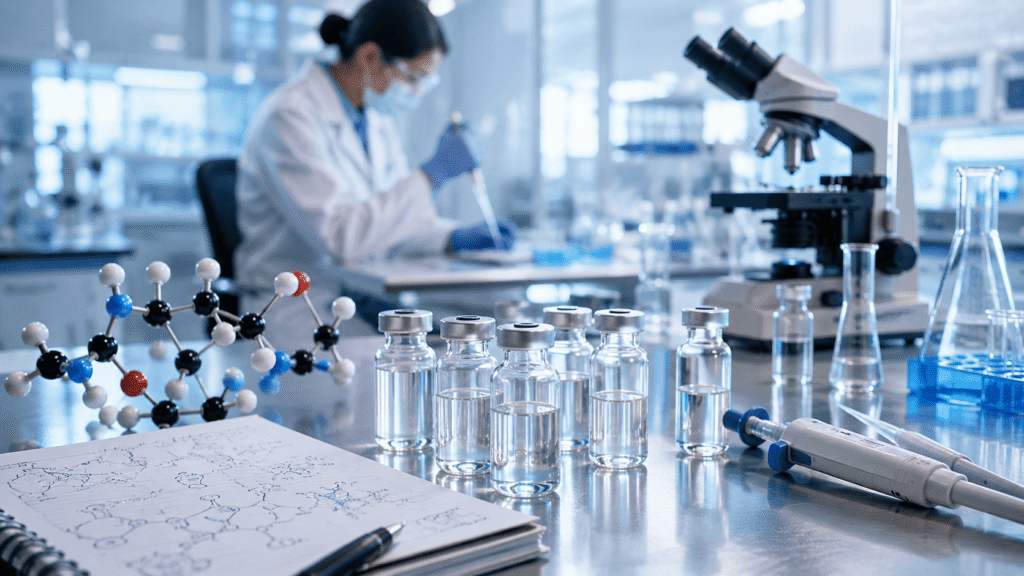
The best recovery peptides guide should explain that no single peptide is considered the “best” for every situation. Different peptides are being researched for different purposes, and current evidence varies significantly between them. Understanding these differences can help readers make more informed decisions and avoid unrealistic expectations.
BPC-157
BPC-157 is one of the most frequently discussed recovery peptides. Derived from a protein found in gastric juice, it has attracted attention for its potential role in supporting soft tissue healing.
Research has primarily focused on:
- Tendon recovery
- Ligament support
- Muscle repair
- Gastrointestinal healing
Most encouraging findings currently come from animal studies, and more robust human clinical research is needed before firm conclusions can be drawn.
TB-500
TB-500 is another peptide commonly associated with tissue repair and recovery. It is related to thymosin beta-4, a naturally occurring protein involved in cell movement and wound healing.
Researchers are investigating its potential effects on:
- Muscle recovery
- Flexibility and mobility
- Tissue regeneration
- Recovery after physical stress
As with many recovery peptides, published human evidence remains limited, so claims should be interpreted carefully.
CJC-1295 and Ipamorelin
Unlike peptides that focus primarily on tissue repair, CJC-1295 and Ipamorelin are often discussed together because they stimulate the body’s natural release of growth hormone.
Potential areas of interest include:
- Exercise recovery
- Lean muscle support
- Sleep quality
- Recovery following intense training
Because growth hormone plays an important role in tissue maintenance, these peptides are sometimes included in broader recovery programmes under appropriate professional supervision.
Other peptides sometimes included in recovery protocols
Several other peptides continue to be investigated for specific recovery-related applications.
Examples include:
- GHK-Cu for tissue regeneration and skin repair
- Thymosin Alpha-1 for immune system support
- Emerging research peptides currently undergoing scientific investigation
The growing interest in regenerative medicine means this field continues to evolve, with new research regularly improving our understanding of how different peptides may support recovery.
Quick comparison table
| Peptide | Commonly Discussed For | Potential Benefits | Current Research |
|---|---|---|---|
| BPC-157 | Tendons, ligaments and soft tissue | May support tissue repair | Mostly preclinical studies |
| TB-500 | Mobility and tissue recovery | May assist healing processes | Limited human evidence |
| CJC-1295 | Growth hormone stimulation | Recovery and performance support | Ongoing research |
| Ipamorelin | Growth hormone release | Muscle recovery and sleep support | Emerging clinical evidence |
| GHK-Cu | Skin and tissue regeneration | Wound healing and collagen production | Growing research base |
From an industry perspective, interest in peptide-based recovery continues to expand as sports medicine, longevity research, and regenerative therapies receive greater scientific attention. However, researchers consistently emphasise that more high-quality human studies are required to confirm the safety and effectiveness of many peptide therapies.
Choosing the Best Recovery Peptides for Your Goals
The best recovery peptides guide should help you choose peptides based on your individual recovery goals rather than popularity alone. There is no universal peptide that suits everyone, as recovery needs vary depending on the type of injury, training intensity, age, overall health, and lifestyle.
Before considering any peptide, it’s important to understand what outcome you hope to achieve. Whether your priority is muscle recovery after exercise, tendon rehabilitation, joint support, or improving overall recovery capacity, selecting an evidence-informed approach is far more valuable than following trends on social media or online forums.
Matching recovery goals with peptide options
Different peptides are commonly discussed for different recovery purposes. While research is still developing, understanding these general associations can help you ask more informed questions when speaking with a qualified healthcare professional.
Some common recovery goals include:
- Sports recovery: Supporting recovery between training sessions while maintaining performance.
- Muscle recovery: Assisting the body’s natural repair processes following strenuous exercise.
- Joint support: Promoting mobility and maintaining healthy connective tissue.
- Tendon and ligament recovery: Supporting rehabilitation after strains or overuse injuries.
- Post-workout recovery: Reducing downtime and preparing for the next training session.
It’s worth remembering that peptides should complement—not replace—good recovery habits such as adequate sleep, balanced nutrition, hydration, and progressive rehabilitation.
A practical framework before making a decision
If you’re using this best recovery peptides guide to explore your options, following a structured decision-making process can help reduce confusion and encourage realistic expectations.
- Identify your recovery objective.
Decide whether your focus is muscle repair, joint health, injury rehabilitation, or general recovery support. A clear goal makes it easier to evaluate potential options. - Review the available scientific evidence.
Not all peptides have the same level of research. Look for information supported by peer-reviewed human studies where possible rather than relying solely on anecdotal reports. - Consult a qualified healthcare professional.
Professional advice is particularly important if you have an existing medical condition, are taking medication, or are recovering from a significant injury. - Consider your overall recovery plan.
Peptides work best as part of a broader recovery strategy that includes physiotherapy, exercise, sleep, nutrition, and appropriate rest. - Monitor your progress realistically.
Recovery is rarely linear. Track improvements in mobility, pain, strength, or function over time instead of expecting immediate results.
Questions worth asking before considering peptides
Before making any decisions, ask yourself:
- What scientific evidence supports this peptide?
- Has it been studied in humans or primarily in laboratory settings?
- Are there known risks or limitations?
- How does it fit into my broader recovery programme?
- Am I addressing the lifestyle factors that influence healing?
Section recap
Before choosing any recovery peptide:
- Match the peptide to your specific recovery goal.
- Prioritise evidence over marketing claims.
- Seek professional guidance where appropriate.
- Combine peptides with proven recovery practices.
- Focus on long-term recovery rather than quick fixes.
Building a Complete Recovery Strategy Beyond Peptides

Recovery is most successful when viewed as a complete system rather than a single intervention. Even the most promising peptide cannot compensate for inadequate sleep, poor nutrition, excessive training, or inconsistent rehabilitation.
The best recovery peptides guide isn’t just about peptides—it is about understanding how every part of your lifestyle contributes to healing. Research consistently shows that sustainable recovery comes from combining multiple evidence-based strategies that work together.
Recovery works best as a system
Every stage of healing depends on the body having sufficient resources to repair damaged tissue. Recovery involves inflammation, tissue regeneration, collagen production, and gradual strengthening, all of which are influenced by daily habits.
Think of peptides as one piece of a much larger puzzle. Without the other pieces in place, their potential benefits may be limited.
Recovery checklist
Use this practical checklist to strengthen your overall recovery plan.
- Prioritise seven to nine hours of quality sleep each night.
- Consume sufficient daily protein to support tissue repair.
- Stay well hydrated before and after exercise.
- Follow your physiotherapist’s rehabilitation programme consistently.
- Increase training loads gradually instead of returning too quickly.
- Include mobility and flexibility work several times each week.
- Schedule regular recovery days to avoid overtraining.
- Manage stress through relaxation techniques or light physical activity.
Small improvements across these areas often have a greater cumulative impact than relying on a single recovery method.
Combining healthy habits for better outcomes
A comprehensive recovery plan may include:
- Progressive strength training
- Mobility and stretching exercises
- Anti-inflammatory dietary choices
- Adequate calorie intake
- Hydration throughout the day
- Regular monitoring of recovery progress
- Medical or physiotherapy follow-up where appropriate
From an industry perspective, many sports medicine professionals now advocate a multidisciplinary approach to recovery. Rather than focusing solely on one therapy, they encourage integrating movement, nutrition, sleep, education, and, where appropriate, peptide-based treatments into an overall recovery programme.
Common Mistakes and Misconceptions About Recovery Peptides
One of the most valuable parts of any best recovery peptides guide is helping readers avoid common misconceptions. Misunderstanding what peptides can—and cannot—do often leads to disappointment or poor decision-making.
Expecting overnight results
Recovery is a biological process that takes time. Even if a peptide supports certain healing pathways, tissues still require adequate time to regenerate.
Setting realistic expectations helps reduce frustration and encourages consistency with rehabilitation.
Ignoring medical advice
Peptides should never replace professional assessment following an injury. Persistent pain, reduced mobility, or suspected structural damage requires proper diagnosis before considering additional recovery strategies.
Healthcare professionals can also identify underlying issues that peptides alone cannot address.
Assuming all peptides have the same purpose
Different peptides interact with different biological pathways.
For example:
- Some are primarily researched for soft tissue recovery.
- Others are associated with growth hormone release.
- Some focus on immune function or tissue regeneration.
Understanding these differences is essential when evaluating available evidence.
Overlooking lifestyle factors
Many people focus heavily on supplements or peptides while neglecting the fundamentals of recovery.
Poor sleep, inadequate nutrition, dehydration, and excessive training often slow recovery far more than the absence of any peptide.
Buying products from unreliable sources
The increasing popularity of peptides has unfortunately led to a rise in products of uncertain quality.
When researching peptide therapies:
- Verify the credibility of suppliers.
- Look for transparency regarding testing and manufacturing.
- Avoid exaggerated marketing claims.
- Be cautious of products promising guaranteed results.
Understanding current research limitations
Although interest in recovery peptides continues to grow, it’s important to recognise where the science currently stands.
Current evidence suggests:
- Many peptides still require larger human clinical trials.
- Long-term safety data remain limited for several compounds.
- Individual responses vary significantly.
- More research is needed before definitive conclusions can be made.
An evidence-based mindset is one of the most valuable tools when interpreting new developments in regenerative medicine.
Real-World Examples: How Recovery Peptides Fit Different Recovery Goals

Understanding theory is helpful, but practical examples often make the concepts easier to apply. The best recovery peptides guide should demonstrate how recovery strategies differ depending on individual circumstances.
Example 1: Returning to training after a tendon injury
Situation
Emma, a recreational tennis player, develops persistent Achilles tendon pain after increasing her weekly training volume.
Action
Her healthcare team recommends reducing training intensity, following a structured physiotherapy programme, improving sleep quality, and reviewing current evidence surrounding recovery peptides as part of a broader rehabilitation plan.
Outcome
After several months of gradual rehabilitation and consistent lifestyle improvements, Emma returns to training with improved strength and mobility while reducing her risk of reinjury.
The key lesson is that structured rehabilitation—not a single intervention—drives successful recovery.
Example 2: Supporting recovery after demanding physical work
Consider a self-employed builder who spends long days lifting heavy materials and working in physically demanding conditions.
Rather than focusing solely on recovery supplements, his strategy includes:
- Better sleep habits.
- Consistent hydration.
- Improved daily nutrition.
- Regular mobility exercises.
- Planned recovery days.
- Professional advice regarding recovery options when needed.
For many small business owners whose income depends on physical performance, maintaining consistent recovery can help reduce downtime and support long-term productivity.
Example 3: Fitness enthusiasts aiming to reduce downtime
A regular gym member preparing for a series of endurance events may prioritise recovery between training sessions.
Instead of continually increasing training volume, they focus on:
- Monitoring fatigue.
- Eating enough protein.
- Scheduling lighter recovery sessions.
- Maintaining consistent sleep.
- Using evidence-based recovery strategies rather than chasing every new trend.
This balanced approach often leads to more sustainable performance improvements than relying on any single recovery product alone.
Key Takeaways for Choosing Recovery Peptides Wisely
The best recovery peptides guide highlights one consistent message: peptides should be viewed as a complementary tool rather than a complete recovery solution. While scientific interest in regenerative therapies continues to grow, long-term recovery still depends on combining evidence-based treatments with healthy lifestyle habits.
If you’re considering recovery peptides, keep these points in mind:
- Recovery peptides support the body’s natural healing processes rather than replacing them.
- Scientific evidence varies significantly between different peptides, with many still requiring larger human clinical studies.
- Professional medical guidance is especially important when recovering from an injury or managing an existing health condition.
- Sleep, nutrition, hydration, and structured rehabilitation remain the foundation of successful recovery.
- Choosing evidence-informed strategies is more valuable than following online trends or anecdotal claims.
Whether you’re an athlete, an active individual, or someone recovering from physically demanding work, the best outcomes usually come from patience, consistency, and a well-rounded recovery plan.
Continue Building an Informed Recovery Plan
Recovery is a gradual process, and making informed decisions can help you achieve more sustainable results. This best recovery peptides guide has explored how peptides may support healing, where current research stands, and why they should be combined with proven recovery strategies such as quality sleep, good nutrition, physiotherapy, and progressive exercise.
Although interest in peptides continues to expand within sports medicine and regenerative health, it’s important to separate emerging evidence from marketing claims. Understanding the strengths and limitations of current research allows you to make decisions based on realistic expectations rather than promises of rapid recovery.
By focusing on evidence-based practices and maintaining consistency with your overall recovery programme, you’ll be better positioned to support long-term health, mobility, and physical performance.
Explore Recovery Options with Confidence
If you’re continuing your research after reading this best recovery peptides guide, take the time to compare reliable scientific information, discuss your options with a qualified healthcare professional, and consider how peptides fit into your overall recovery strategy. Building knowledge before making decisions is one of the most effective ways to support safe, informed, and sustainable recovery.
Frequently Asked Questions
What are recovery peptides?
Recovery peptides are short chains of amino acids that act as signalling molecules within the body. They are being studied for their potential to support tissue repair, regulate inflammation, and assist the body’s natural healing processes. However, research is still evolving, and many peptides require further human clinical studies before definitive conclusions can be made.
Which peptide is considered best for muscle recovery?
There is no single peptide that is universally considered the best for muscle recovery. Different peptides are researched for different purposes, including muscle repair, tendon support, joint health, and growth hormone stimulation. The most suitable option depends on individual recovery goals, health status, and professional medical advice.
Are recovery peptides suitable for sports injuries?
Recovery peptides are being investigated for their potential role in supporting recovery from certain sports injuries, particularly those involving muscles, tendons, and ligaments. However, they should complement—not replace—appropriate diagnosis, physiotherapy, rehabilitation, and medical care.
What is the difference between BPC-157 and TB-500?
BPC-157 is commonly discussed for its potential role in supporting tendon, ligament, and gastrointestinal healing, while TB-500 is often associated with tissue repair, mobility, and wound healing. Although both peptides are frequently mentioned together, they work through different biological pathways, and evidence for each continues to develop.
How long does it typically take to notice recovery benefits?
Recovery timelines vary depending on the injury, overall health, rehabilitation programme, lifestyle factors, and individual response. Recovery peptides should not be expected to produce immediate results, as tissue healing naturally occurs over weeks or months.
Are recovery peptides supported by scientific research?
Yes, but the strength of evidence differs between peptides. Some have demonstrated promising findings in laboratory and animal studies, while others have entered early human clinical research. Larger, long-term clinical trials are still needed for many recovery peptides before firm recommendations can be made.
Can recovery peptides replace physiotherapy or rehabilitation?
No. Physiotherapy, structured rehabilitation, appropriate exercise, nutrition, and adequate rest remain essential components of recovery. Recovery peptides, if used, should be considered one part of a broader evidence-based recovery plan rather than a replacement for established treatments.
What should I consider before choosing a recovery peptide?
Before considering any peptide, identify your recovery goals, review the available scientific evidence, consult a qualified healthcare professional, and ensure that your overall recovery plan includes proven strategies such as good nutrition, quality sleep, hydration, and progressive rehabilitation. The best recovery peptides guide always begins with informed decision-making rather than searching for a quick fix.
Bringing the Best Recovery Peptides Guide Together
Choosing the right recovery approach is about making informed decisions based on your individual needs rather than searching for a single solution. As this best recovery peptides guide has shown, recovery peptides are an emerging area of research with promising potential, but they work best when combined with proven recovery fundamentals such as quality sleep, balanced nutrition, appropriate exercise, hydration, and structured rehabilitation.
It’s also important to recognise that not every peptide has the same level of scientific evidence. Some have encouraging preclinical and early clinical findings, while others require further research before their safety and effectiveness can be fully understood. Taking an evidence-based approach helps set realistic expectations and supports better long-term recovery outcomes.
Whether you’re recovering from a sports injury, managing the physical demands of work, or aiming to improve post-exercise recovery, the most successful strategies focus on consistency rather than shortcuts. By understanding how recovery peptides fit within a comprehensive recovery plan, you’ll be better equipped to make confident, informed decisions that support your health and performance over time.
Explore Recovery Options with Confidence
Continue learning from credible, evidence-based sources before deciding whether recovery peptides are appropriate for your situation. If you’re considering adding peptides to your recovery plan, speak with a qualified healthcare professional and combine any treatment with proven recovery practices such as physiotherapy, proper nutrition, quality sleep, and progressive exercise to support safe and sustainable results.
 Peptide Vials
 Peptide Pens
 Peptide Nasal Sprays
 Peptide Protocols
 Bundles