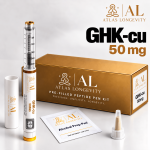
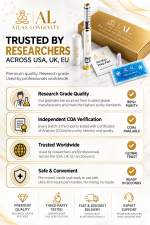
GHK-Cu Peptide Pen
Price range: Rp1,400,000.00 through Rp3,000,000.00 ~$84.85–$181.82
GHK-Cu 100 mg Pen
Product Description
GHK-Cu (Glycyl-L-Histidyl-L-Lysine Copper Complex) is a naturally occurring copper-binding tripeptide studied for its role in tissue repair, extracellular-matrix regulation, wound healing, skin biology, and cellular signalling.
The peptide binds copper ions and has been investigated for its influence on collagen and elastin production, fibroblast activity, angiogenesis, antioxidant defence, inflammatory signalling, and tissue remodelling. Pasted text
GHK-Cu is also of interest in research examining gene-expression patterns associated with repair, metabolism, immune signalling, fibrosis, skin ageing, and cellular regeneration.
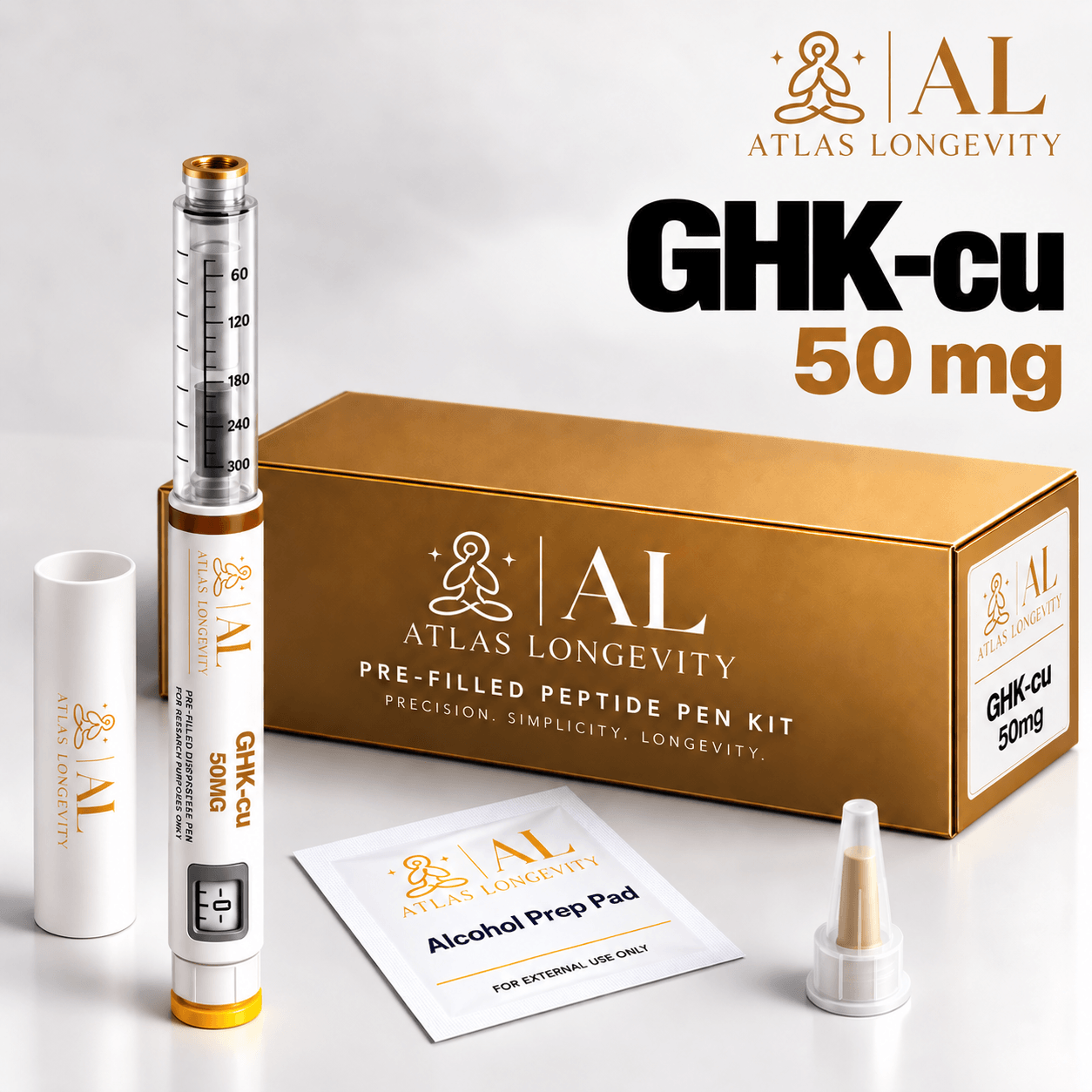
The Atlas Longevity GHK-Cu pen contains 100 mg in a 3 mL pre-mixed cartridge with 300 total units/clicks.
GHK-Cu should not be presented as an approved injectable treatment for skin ageing, wound healing, hair loss, fibrosis, or other medical conditions.
Clinical / Research Status
GHK-Cu has been investigated across human, animal, and in-vitro research, including dermatological, cosmetic, wound-healing, fibroblast, and regenerative models.
The supplied reference classifies the evidence as follows: Pasted text
| Evidence Type | Status Based on Supplied Material |
|---|---|
| Human clinical research | Yes |
| Human observational research | Yes |
| Animal research | Yes |
| In-vitro research | Yes |
| Regulatory therapeutic approval | Not established |
Human research involving topical or cosmetic GHK-Cu formulations should not automatically be treated as evidence for the clinical effectiveness or safety of a pre-mixed injection pen.
Evidence Type
The supplied material includes research involving:
- human dermal fibroblasts;
- human skin and gene-expression profiling;
- animal wound-healing models;
- hair-follicle cell cultures;
- UV-damaged skin models;
- antioxidant assays;
- topical and subcutaneous research;
- extracellular-matrix and tissue-remodelling studies. Pasted text
Evidence strength varies significantly depending on the formulation, route of exposure, study model, and outcome being measured.
Mechanism of Action
GHK-Cu is formed when the GHK tripeptide binds a copper ion.
Copper participates in numerous enzymes involved in tissue repair, antioxidant defence, extracellular-matrix turnover, and normal cellular function.
Experimental research described in the supplied material suggests GHK-Cu may influence:
- collagen I and III expression;
- elastin-related pathways;
- fibroblast activity;
- metalloproteinases involved in matrix turnover;
- antioxidant enzymes such as superoxide dismutase;
- inflammatory pathways including NF-κB;
- angiogenesis;
- wound contraction and epithelial repair. Pasted text
The source also describes broad gene-expression effects, although claims involving thousands of genes should be interpreted as transcriptomic research rather than proof of thousands of distinct clinical benefits.
Potential Benefits / Research Areas
Collagen and Extracellular-Matrix Research
GHK-Cu is widely investigated for its effects on fibroblasts and extracellular-matrix proteins.
Experimental models have reported increased production of collagen and elastin, making the peptide relevant to research examining skin structure, connective tissue, wound healing, and matrix remodelling. Pasted text
These findings should not be interpreted as guaranteed improvements in human skin quality following injectable use.
Wound-Healing Research
GHK-Cu has been investigated in wound models involving:
- fibroblast proliferation;
- keratinocyte migration;
- epithelial repair;
- angiogenesis;
- extracellular-matrix formation.
Animal studies described in the supplied source report accelerated wound closure and changes in vascular and epithelial repair pathways. Pasted text
Human therapeutic wound-healing efficacy is not established by this evidence.
Anti-Inflammatory and Antioxidant Research
Experimental research has examined how GHK-Cu may influence oxidative stress and inflammatory signalling.
The supplied source reports changes involving:
- IL-6;
- TNF-α;
- superoxide dismutase;
- catalase;
- reactive oxygen species;
- cellular oxidative damage. Pasted text
These mechanisms remain research findings rather than proof that GHK-Cu treats inflammatory disease.
Angiogenesis and Tissue Remodelling
GHK-Cu has also been investigated for its influence on new blood-vessel formation and tissue remodelling.
Angiogenesis can support oxygen and nutrient delivery during tissue repair, while extracellular-matrix turnover contributes to structural organisation of damaged tissue. Pasted text
These pathways are particularly relevant to regenerative and wound-healing research.
Skin Ageing and Dermal Research
Human and laboratory research has examined GHK-Cu in relation to:
- dermal density;
- skin elasticity;
- collagen matrix organisation;
- fine-line and wrinkle appearance;
- hydration;
- tissue resilience. Pasted text
However, evidence from topical cosmetic formulations should not automatically be extrapolated to systemic administration.
Hair-Follicle Research
GHK-Cu has been studied in experimental hair-follicle models.
The supplied source describes research involving:
- dermal papilla cells;
- follicular activity;
- anagen-phase biology;
- vascular supply;
- inflammatory signalling around follicles. Pasted text
This does not establish GHK-Cu as an approved treatment for hair loss.
Oxidative and Cellular Ageing Research
GHK-Cu is also investigated for potential cytoprotective activity.
Its copper-binding properties and influence on antioxidant pathways have generated interest in research involving oxidative stress, DNA damage, mitochondrial biology, and age-associated cellular changes. Pasted text
Claims of systemic anti-ageing effects remain unproven.
Fibrosis and Matrix-Regulation Research
The supplied material describes experimental findings involving TGF-β1 and other fibrosis-related pathways.
This has led to research into whether GHK-Cu may influence the balance between excessive scar formation and normal extracellular-matrix remodelling. Pasted text
Most of this research remains preclinical.
Gene-Expression Research
Transcriptomic research has explored broad changes in gene-expression patterns following exposure to GHK-Cu.
Reported pathways involve:
- tissue repair;
- antioxidant defence;
- inflammation;
- extracellular-matrix regulation;
- cellular growth;
- metabolism. Pasted text
Descriptions such as “gene-expression resetting” should be treated as research terminology rather than proof of cellular rejuvenation in humans.
Research Data
| Study / Model | Reported Finding |
|---|---|
| Human dermal fibroblast culture | Increased collagen and elastin production and changes in wound-closure activity |
| Rat wound model | Accelerated epithelial repair and angiogenesis |
| Human-skin gene-expression profiling | Changes in regenerative and inflammatory gene-expression patterns |
| Hair-follicle cell culture | Changes in anagen-related activity and dermal papilla-cell proliferation |
| UV-damaged skin model | Reduced oxidative-stress markers and increased antioxidant-enzyme activity |
| Clinical topical / subcutaneous research reported by source | Changes in elasticity, firmness and wrinkle measurements |
| In-vitro antioxidant assays | Copper chelation associated with reduced reactive oxygen species |
These results span human, animal and cellular evidence, and outcomes from one model or route of administration should not automatically be applied to another. Pasted text
Potential Stack / Combination Research
The supplied reference discusses experimental combinations involving GHK-Cu with:
- BPC-157 and TB-500;
- KPV;
- NAD+;
- SS-31;
- Epithalon;
- glutathione and hyaluronic acid. Pasted text
These combinations are discussed around research themes such as tissue regeneration, inflammation, extracellular-matrix biology, mitochondrial function, and oxidative stress.
However, the supplied material does not establish clinically validated safety, compatibility, efficacy, or dosing for these combinations.
Atlas Longevity therefore does not present them as recommended stacks.
Atlas Longevity GHK-Cu Pen Dosage / Click Chart
The Atlas Longevity GHK-Cu pen contains:
100 mg GHK-Cu
3 mL total cartridge volume
300 total clicks
1 click = 0.01 mL
Maximum selectable dial amount = 60 clicks
Pen Specification
| Pen Strength | Volume | Concentration | Amount Per Click |
|---|---|---|---|
| 100 mg | 3 mL | ≈33.33 mg/mL | ≈0.333 mg / 333 mcg |
Concentration Calculation
100 mg ÷ 3 mL = 33.333 mg/mL
Rounded:
≈33.33 mg/mL
Amount Per Click
100 mg ÷ 300 clicks = 0.33333 mg per click
Therefore:
1 click ≈0.333 mg
or:
≈333 mcg
GHK-Cu Click Conversion Chart
| Clicks | Volume | GHK-Cu Amount |
|---|---|---|
| 1 | 0.01 mL | ≈0.333 mg |
| 3 | 0.03 mL | 1.00 mg |
| 5 | 0.05 mL | ≈1.667 mg |
| 6 | 0.06 mL | 2.00 mg |
| 10 | 0.10 mL | ≈3.333 mg |
| 15 | 0.15 mL | 5.00 mg |
| 20 | 0.20 mL | ≈6.667 mg |
| 30 | 0.30 mL | 10.00 mg |
| 40 | 0.40 mL | ≈13.333 mg |
| 50 | 0.50 mL | ≈16.667 mg |
| 60 | 0.60 mL | 20.00 mg |
Useful Conversions
- 3 clicks = 1 mg
- 6 clicks = 2 mg
- 15 clicks = 5 mg
- 30 clicks = 10 mg
- 60 clicks = 20 mg
The maximum selectable amount in one dial operation is:
60 clicks = 0.60 mL = 20 mg GHK-Cu
This is a concentration calculation and not a dosing recommendation.
Protocol / Dosage Information
The supplied source describes experimental quantities ranging approximately from 1 mg to 10 mg in its proposed research protocols. Pasted text
The original click values were calculated from a 2 mL formulation and therefore do not apply to the Atlas Longevity 3 mL / 300-click pen.
Using the Atlas formulation:
| Source-Referenced Amount | Atlas Pen Conversion |
|---|---|
| 1 mg | 3 clicks |
| 2 mg | 6 clicks |
| 3 mg | 9 clicks |
| 5 mg | 15 clicks |
| 10 mg | 30 clicks |
These figures translate quantities mentioned in the supplied research material into the Atlas pen concentration only.
They are not approved dosing recommendations.
The supplied evidence does not establish a universally accepted clinical dose, treatment frequency, duration, cycle, or injectable therapeutic protocol for GHK-Cu.
Possible Side Effects
The source describes GHK-Cu as generally tolerated in research and cosmetic applications, but this should not be interpreted as evidence that systemic or injectable use is risk-free.
Reported effects described in the supplied material include:
- redness;
- itching;
- warmth;
- localized irritation;
- temporary dryness with some topical formulations. Pasted text
The source also states that systemic toxicity has not been reported in the available studies it references.
However, absence of reported toxicity in limited research does not establish a complete safety profile.
The supplied information does not adequately establish:
- long-term injectable safety;
- contraindications;
- medication interactions;
- copper-related risks in susceptible individuals;
- reproductive effects;
- optimal systemic exposure;
- safety of combination protocols.
Product Attributes
| Attribute | Information |
|---|---|
| Compound Name | GHK-Cu |
| Full Name | Glycyl-L-Histidyl-L-Lysine Copper Complex |
| CAS Number | 49557-75-7 |
| Molecular Formula listed by source | C14H24N6O4Cu |
| Free Peptide Formula listed by source | C14H24N6O4 |
| Molecular Weight — free peptide | 340.38 g/mol |
| Molecular Weight — copper complex | 403.92 g/mol |
| PubChem CID | 71587328 |
| Half-Life listed by source | Approximately 1–2 hours |
| Synonyms | Copper Tripeptide-1, Cu-GHK, GHK-Cu Complex, Tripeptide-Copper, Glycyl-Histidyl-Lysine |
| Compound Type | Naturally occurring peptide-metal complex |
| Research Focus | Skin biology, regeneration, tissue repair, hair and cellular ageing research |
The supplied source lists both the free peptide and copper-complex forms, so final Atlas chemical specifications should be matched against the exact Atlas product COA before publication.
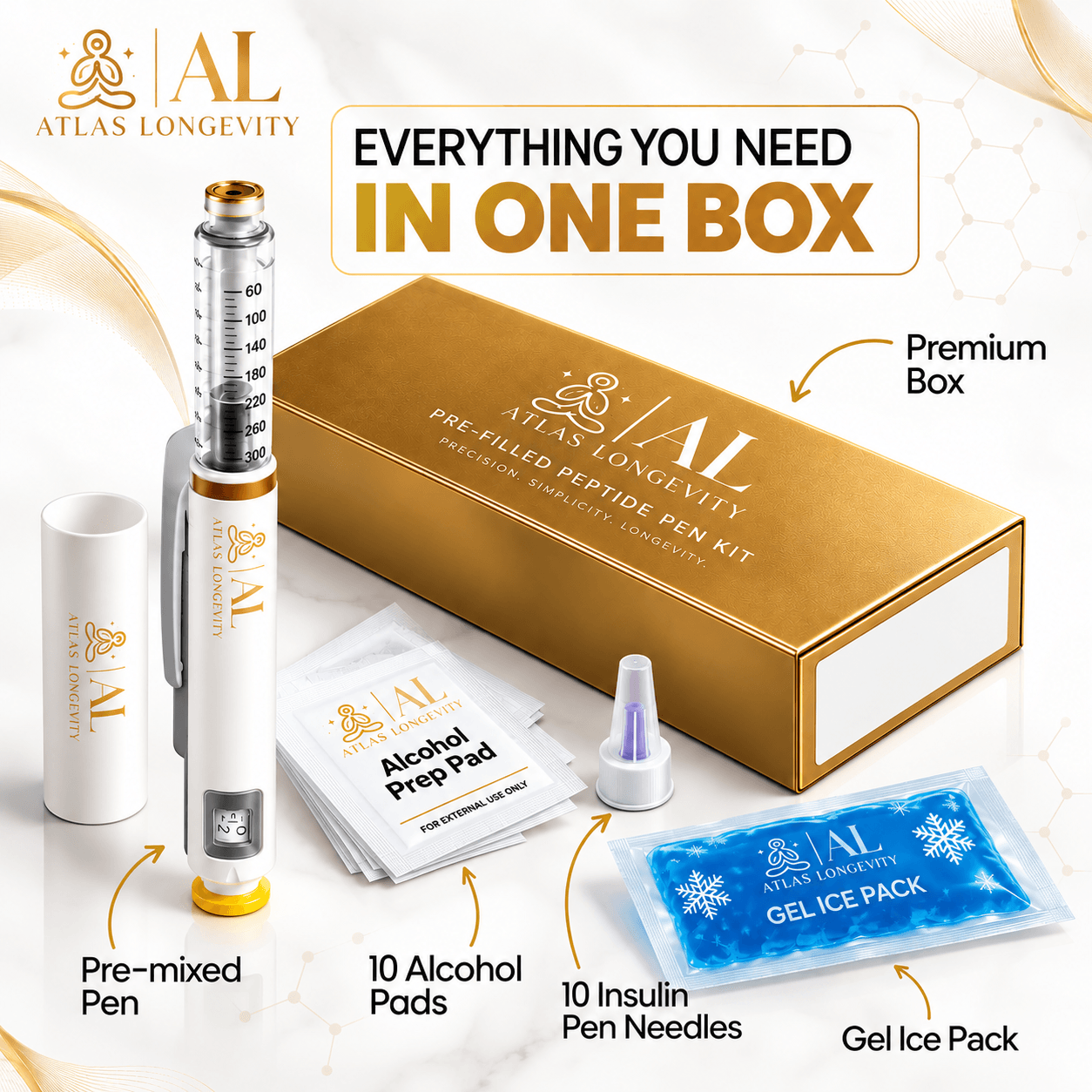
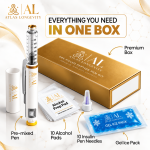
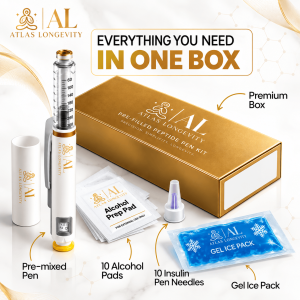
Included in the Box
Each Atlas Longevity product is carefully packed to support secure storage, clean handling, and convenient research use. Inside the package, you’ll find the essential items needed for organized laboratory handling:
- 1× Ready-to-Use Injection Pen
- 10× Ultra-Fine Needles (33G, 4 mm)
- 10× Alcohol Prep Pads
- Protective Foam Insert to help keep the pen secure during transport
- Quick-Reference Instruction Panel inside the packaging
- Tamper-Evident Security Seal for added package protection
Each component is arranged in a clean, protective presentation designed to keep the product secure and easy to access.
Storage
Storage conditions should follow the instructions supplied specifically with the Atlas Longevity GHK-Cu formulation.
The reference source provides refrigeration and stability specifications for its own pre-mixed product. Those conditions should not automatically be transferred to an Atlas Longevity formulation without product-specific stability evidence.
Follow the temperature requirements, light-protection guidance, handling instructions, and shelf-life information shown on the Atlas Longevity product label or accompanying documentation.
Frequently Asked Questions
What is GHK-Cu?
GHK-Cu is a naturally occurring copper-binding tripeptide complex consisting of glycyl-L-histidyl-L-lysine associated with copper.
It is studied extensively in research involving tissue repair, skin biology, collagen production, extracellular-matrix regulation, angiogenesis, and inflammatory signalling. Pasted text
Is GHK-Cu the same as Copper Peptide?
GHK-Cu is commonly referred to as a copper peptide, Copper Tripeptide-1, or Cu-GHK.
These names refer to the copper-bound form of the GHK tripeptide.
How does GHK-Cu work?
GHK-Cu binds copper and is investigated for its influence on multiple repair-related pathways.
Experimental studies describe effects involving:
- collagen;
- elastin;
- fibroblasts;
- metalloproteinases;
- antioxidant enzymes;
- inflammatory signalling;
- angiogenesis;
- gene expression. Pasted text
What is GHK-Cu researched for?
Common research areas include:
- collagen synthesis;
- skin regeneration;
- wound healing;
- extracellular-matrix remodelling;
- hair-follicle biology;
- antioxidant activity;
- inflammatory pathways;
- fibrosis;
- cellular ageing;
- tissue repair.
Evidence quality differs between these areas and between topical and systemic research.
Has GHK-Cu been studied in humans?
Yes.
The supplied material identifies human research alongside animal and in-vitro studies. Pasted text
However, evidence involving topical GHK-Cu should not automatically be used to support claims about injectable GHK-Cu.
How much GHK-Cu is in each Atlas Longevity pen?
Each Atlas Longevity GHK-Cu pen contains:
100 mg in 3 mL.
What is the concentration of the GHK-Cu pen?
The concentration is:
100 mg ÷ 3 mL = approximately 33.33 mg/mL.
How many clicks are in an Atlas Longevity GHK-Cu pen?
Each pen contains:
300 total clicks / units
with:
1 click = 0.01 mL
How much GHK-Cu is in one click?
Each click contains approximately:
0.333 mg
or:
333 mcg GHK-Cu
How many clicks equal 1 mg?
3 clicks ≈1 mg.
How many clicks equal 2 mg?
6 clicks = 2 mg.
How many clicks equal 5 mg?
15 clicks = 5 mg.
How many clicks equal 10 mg?
30 clicks = 10 mg.
These are concentration calculations rather than dosing recommendations.
What is the maximum selectable amount on the GHK-Cu pen?
The pen can select a maximum of:
60 clicks
which equals:
0.60 mL
and:
20 mg GHK-Cu
This describes the mechanical limit of the pen and does not represent a recommended dose.
How long does a GHK-Cu pen last?
The cartridge contains 300 total clicks and 100 mg total GHK-Cu.
The number of administrations available depends on the number of clicks selected each time.
For cartridge-capacity calculation only:
- 3 clicks at a time = 100 administrations
- 6 clicks at a time = 50 administrations
- 15 clicks at a time = 20 administrations
- 30 clicks at a time = 10 administrations
- 60 clicks at a time = 5 administrations
These examples are mathematical capacity calculations rather than treatment protocols.
Does the product disappear when the dial returns to zero?
No.
The dial returns to zero after administration while the unused formulation remains inside the cartridge.
The remaining product stays in the pen until all 300 units have been used.
Is GHK-Cu proven to reverse skin ageing?
GHK-Cu has substantial research interest in skin biology, collagen production, antioxidant pathways, and extracellular-matrix remodelling.
However, the evidence supplied does not justify claiming that injectable GHK-Cu reliably reverses human skin ageing.
Does GHK-Cu promote hair growth?
Cellular and experimental research described in the source reports effects involving hair-follicle cells and anagen-related activity. Pasted text
This does not establish GHK-Cu as an approved treatment for hair loss.
Can GHK-Cu be combined with BPC-157 or TB-500?
The source discusses experimental combination concepts involving GHK-Cu with BPC-157 and TB-500, among other compounds. Pasted text
However, validated human safety, efficacy, compatibility, and dosing for these combinations are not established by the supplied material.
How should the Atlas Longevity GHK-Cu pen be stored?
Follow the storage instructions supplied with the actual Atlas Longevity formulation.
The reference manufacturer’s refrigeration and stability claims relate to its own formulation and should not automatically be transferred to Atlas without product-specific stability evidence. Pasted text
Related products
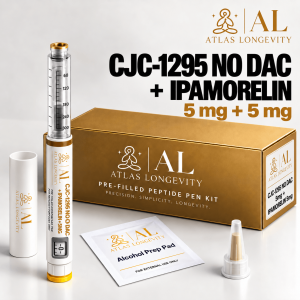
CJC-1295 No DAC 5mg + Ipamorelin 5mg Pen
Price range: Rp1,900,000.00 through Rp2,500,000.00 ~$115.15–$151.52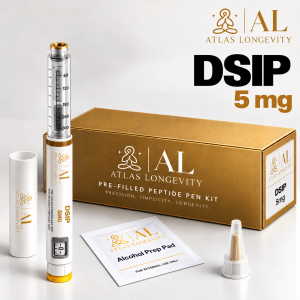
DSIP Pen
Price range: Rp1,300,000.00 through Rp2,600,000.00 ~$78.79–$157.58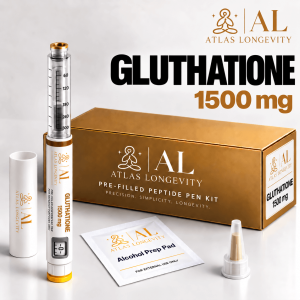
Glutathione 1500mg Pen
Price range: Rp2,500,000.00 through Rp3,100,000.00 ~$151.52–$187.88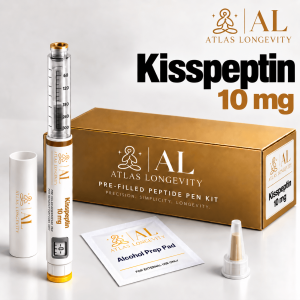
Kisspeptin 10mg Pen
Price range: Rp1,450,000.00 through Rp2,050,000.00 ~$87.88–$124.24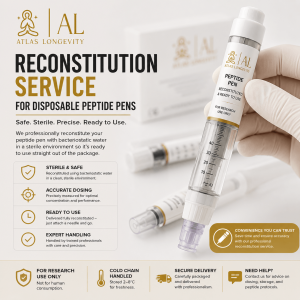
Reconstitution Service for Disposable Peptide Pens
Rp250,000.00 ~$15.15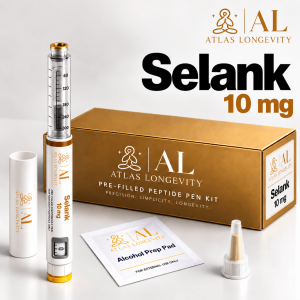
Selank 10mg Pen
Price range: Rp1,600,000.00 through Rp2,200,000.00 ~$96.97–$133.33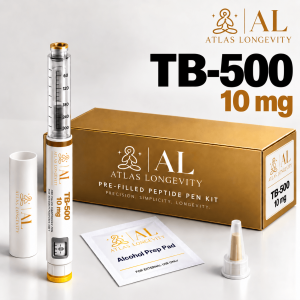
TB-500 Pen
Price range: Rp1,300,000.00 through Rp2,600,000.00 ~$78.79–$157.58
 Peptide Vials
 Peptide Nasal Sprays
 Peptide Protocols
 Bundles