
Blog
Do Peptides Cause Muscle Loss? | Muscle Preservation Guide

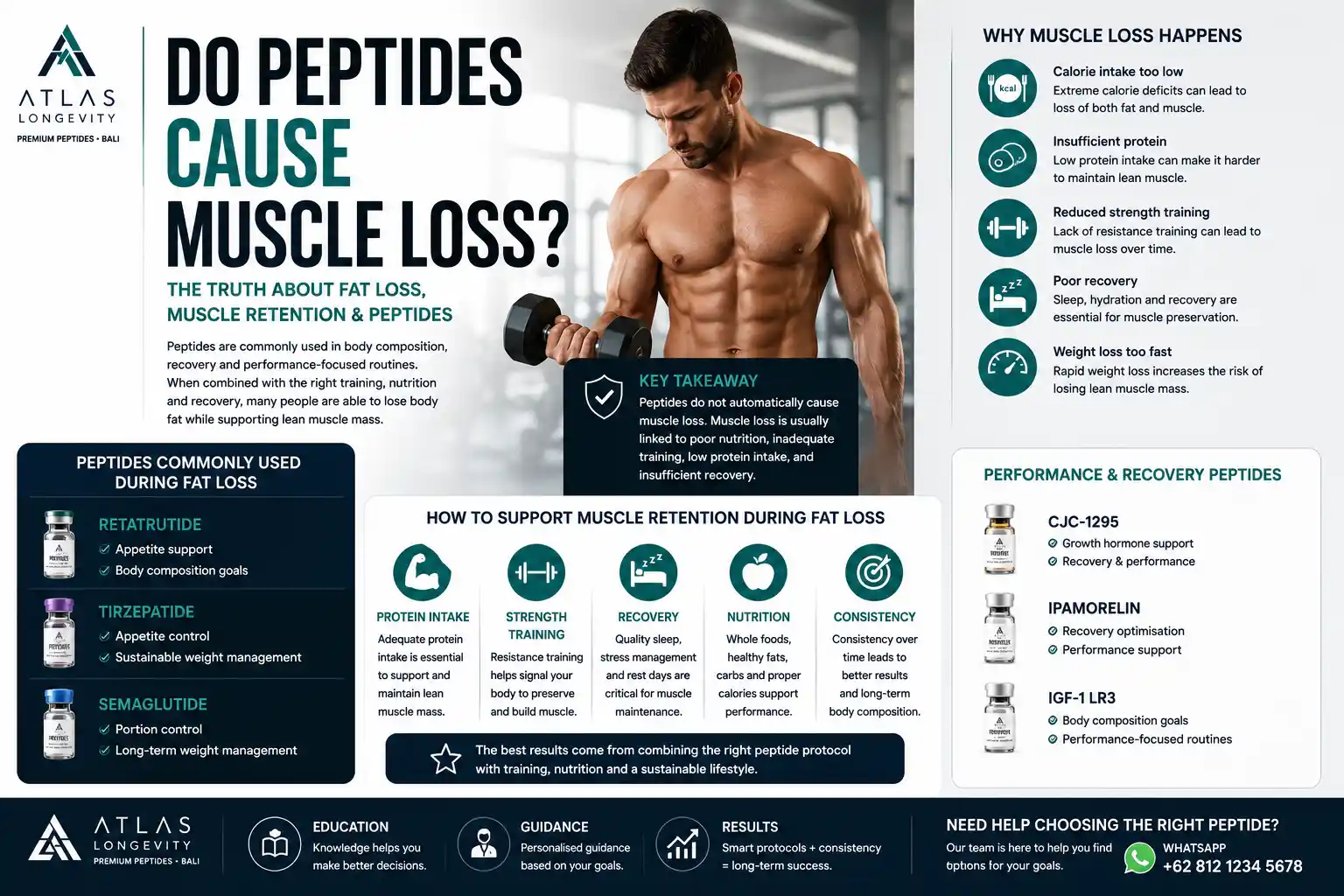
Do Peptides Cause Muscle Loss?
Do Peptides Cause Muscle Loss
INTRO
One of the most common concerns people have when researching peptides is:
“Do peptides cause muscle loss?”
This question is especially common among individuals focused on fat loss, body recomposition, performance, and maintaining lean muscle mass while pursuing weight management goals.
The answer depends on several factors including nutrition, training, recovery, calorie intake, and the specific goals of the individual.
This guide explains why muscle loss can occur during weight loss phases, how peptides are commonly used in body composition-focused routines, and what many people do to support lean muscle retention.
Why Does Muscle Loss Happen?
Muscle loss is not necessarily caused by peptides.
In many cases, muscle loss may occur when:
- Calorie intake becomes too low
- Protein intake is insufficient
- Resistance training is reduced
- Recovery is poor
- Weight loss occurs too quickly
When body weight decreases rapidly, both fat and lean tissue can be affected depending on lifestyle habits.
Fat Loss vs Muscle Loss
Many people focus on losing body fat while maintaining muscle mass.
This is often referred to as:
Body Recomposition
Body recomposition generally focuses on:
✔ Reducing body fat
✔ Supporting lean muscle mass
✔ Maintaining performance
✔ Improving overall body composition
Nutrition and training are often considered important parts of this process.
Peptides Commonly Used During Fat Loss Phases
Many individuals researching body composition support explore peptides such as:
Retatrutide
Commonly explored for:
- Appetite support
- Body composition goals
- Weight management support
Tirzepatide
Commonly explored for:
- Appetite control
- Sustainable weight management
- Wellness-focused routines
Semaglutide
Commonly explored for:
- Portion control
- Appetite support
- Long-term weight management
Supporting Muscle Retention During Fat Loss
Many individuals focus on:
Adequate Protein Intake
Protein is commonly considered important for maintaining lean muscle tissue.
Resistance Training
Strength training is frequently included in body composition-focused routines.
Recovery
Many people prioritise:
- Sleep quality
- Hydration
- Recovery habits
Consistency
Long-term consistency is often discussed as an important factor in maintaining muscle while reducing body fat.
Performance & Recovery Peptides
Some individuals also research:
CJC-1295
Commonly explored for:
- Growth hormone support
- Recovery-focused routines
Ipamorelin
Commonly explored for:
- Recovery optimisation
- Performance support
IGF-1 LR3
Commonly explored for:
- Performance-focused routines
- Body composition goals
Why Some People Think Peptides Cause Muscle Loss
Many people notice muscle loss during aggressive dieting phases and assume peptides are responsible.
However, factors often discussed include:
- Low calorie intake
- Reduced training performance
- Inadequate protein intake
- Rapid weight loss
- Poor recovery
Body composition outcomes are often influenced by multiple lifestyle factors rather than a single variable.
Final Thoughts
Peptides are commonly used within body composition, recovery, wellness, and performance-focused routines.
When pursuing fat loss goals, many individuals prioritise:
✔ Protein intake
✔ Strength training
✔ Recovery
✔ Consistency
✔ Sustainable habits
The best approach depends on individual goals, training experience, and overall lifestyle.
Need Help Choosing the Right Peptide Category?
Atlas Longevity provides educational resources, peptide guidance, and delivery across Bali.
Contact us to discuss your body composition, recovery, wellness, and performance goals.
FAQ
Do peptides cause muscle loss?
Muscle loss is often associated with factors such as calorie intake, protein consumption, training habits, and recovery rather than peptides alone.
Can you lose fat without losing muscle?
Many individuals focus on body recomposition strategies that combine nutrition, training, recovery, and consistency to support fat loss while maintaining lean muscle mass.
Why do some people lose muscle during weight loss?
Factors commonly discussed include low calorie intake, inadequate protein consumption, reduced resistance training, and poor recovery.
What peptides are commonly explored during fat loss phases?
Popular options commonly researched include Retatrutide, Tirzepatide, and Semaglutide.
How do people support muscle retention during fat loss?
Many individuals prioritise protein intake, strength training, recovery, hydration, and long-term consistency.
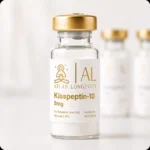 Peptide Vials
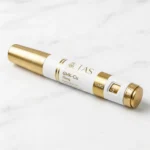 Peptide Pens
 Peptide Nasal Sprays
 Peptide Protocols